Our history

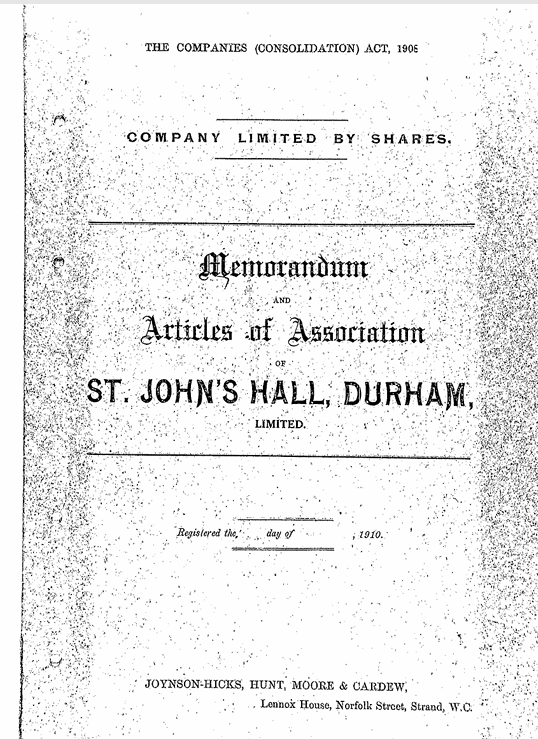
St John’s is among the oldest Durham colleges, founded in 1909 as a theological college for the training of Anglican clergy.
Although the College began with just £2 in capital, support grew quickly, and by 1912 it occupied several houses on the South Bailey, where the College Reception remains today. In 1919 we became a full constituent college of the University, expanding and flourishing over the following decades.
In 1958, Cranmer Hall was established as a distinct but integral part of the College to train ministers for ordination, while members of John’s Hall studied for Durham University degrees in all disciplines, as they do today.
In 1966, St John’s became the first Church of England theological college to train men and women together. This commitment to equality continued, and in 1973 John’s became the first college in the University to become co-educational. Our first female Principal, Ruth Etchells, was appointed in 1978.
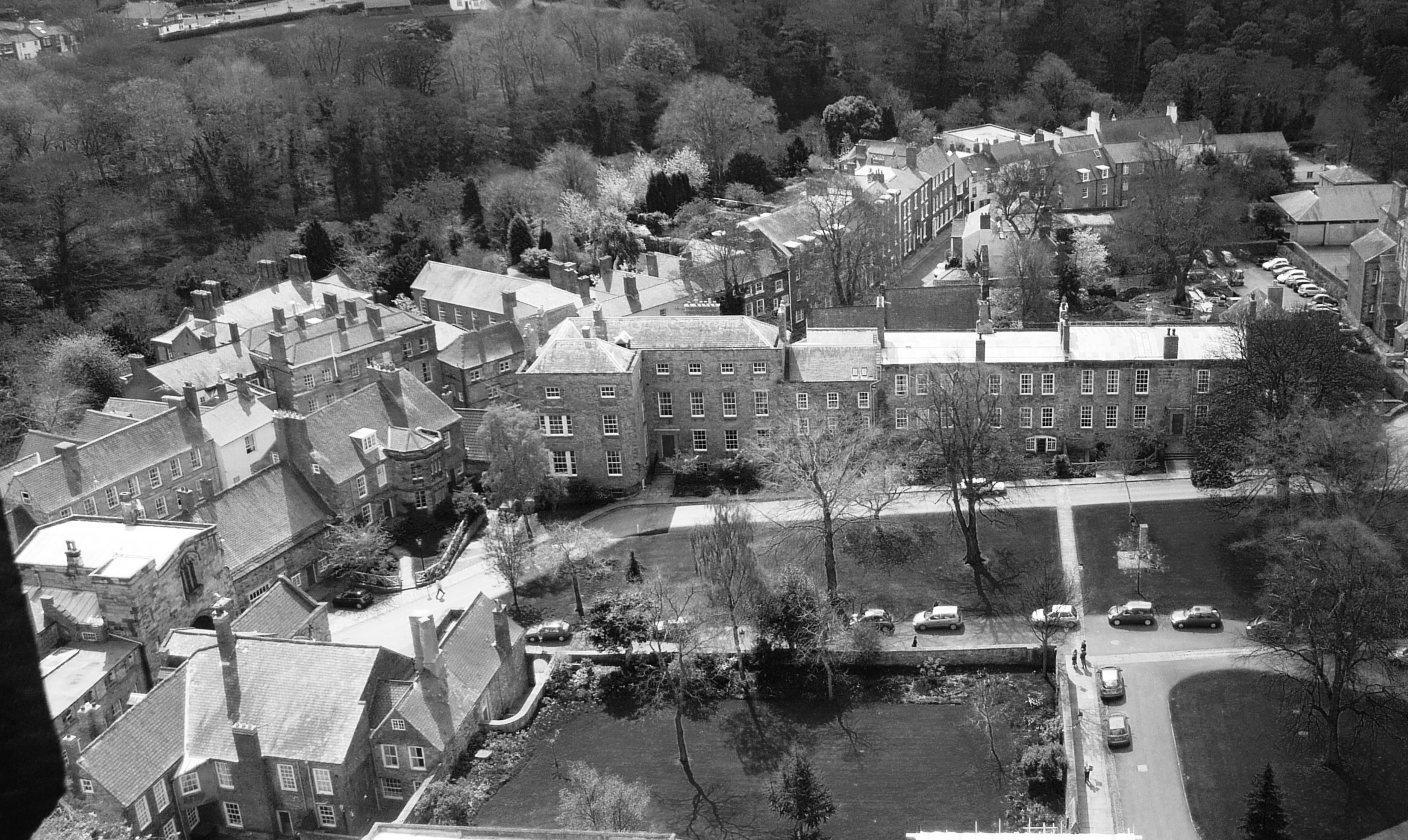
Our home in the heart of Durham’s historic peninsula reflects our ethos of honouring tradition while shaping the future. The College estate combines listed historic buildings and purpose-built modern facilities – from converted Georgian townhouses once home to the Bowes family, ancestors of the present King and founders of the Bowes Museum, to the 12th-century Chapel of St Mary the Less. Our Learning and Resource Centre and College Library, opened in 2018, embody this same spirit, offering beautiful modern spaces for study, teaching, and community life.

John's Through The Decades
St John’s College is founded as a theological college for the training of Anglican clergy.
1909
1913
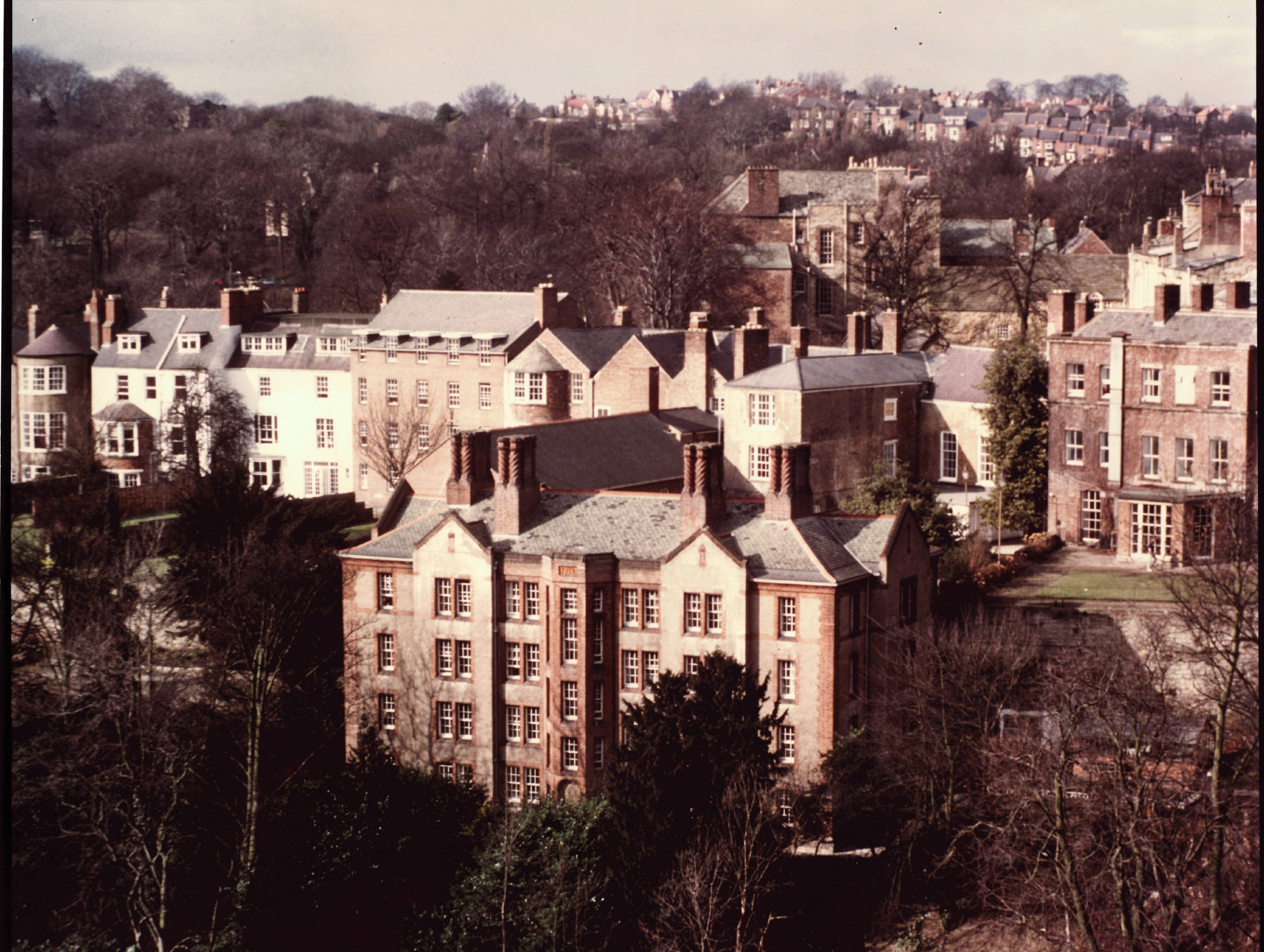
Cruddas, the College’s first purpose-built student accommodation, is completed.
1919
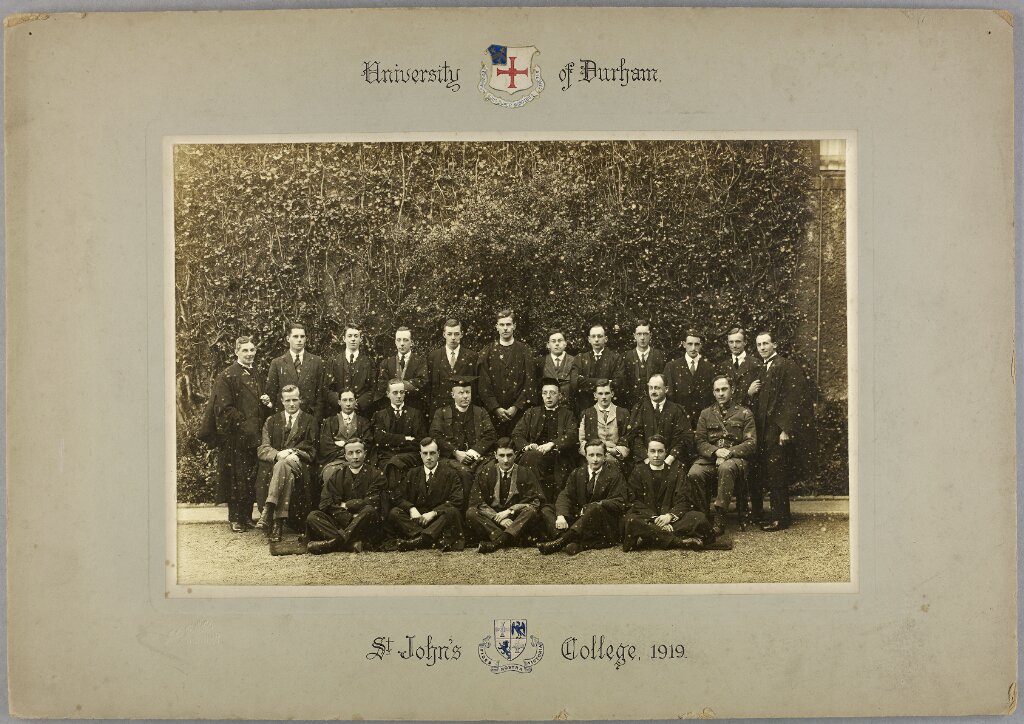
St John’s becomes a full constituent college of Durham University.
Cranmer Hall is established as a distinct part of the College.
1958
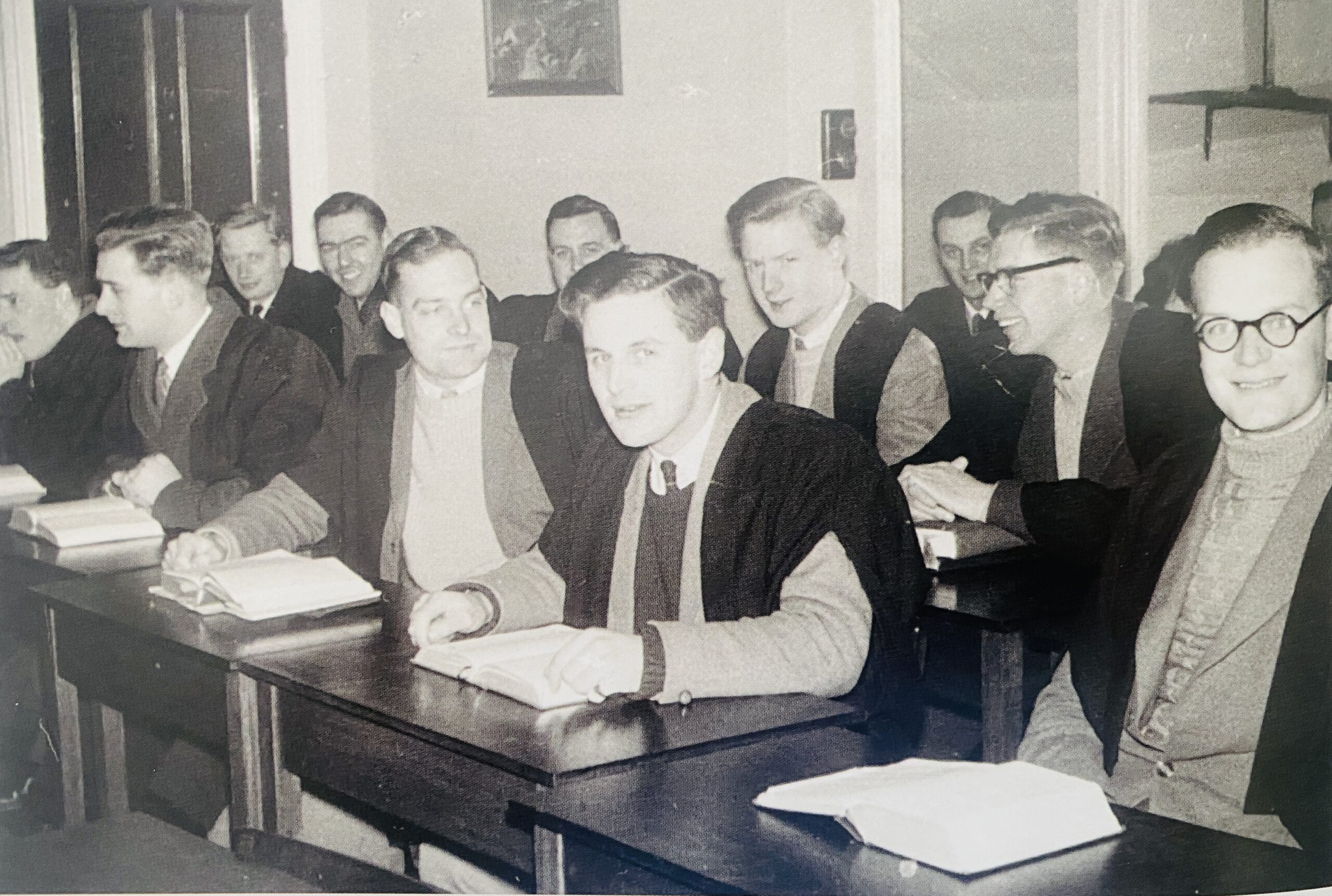
1962
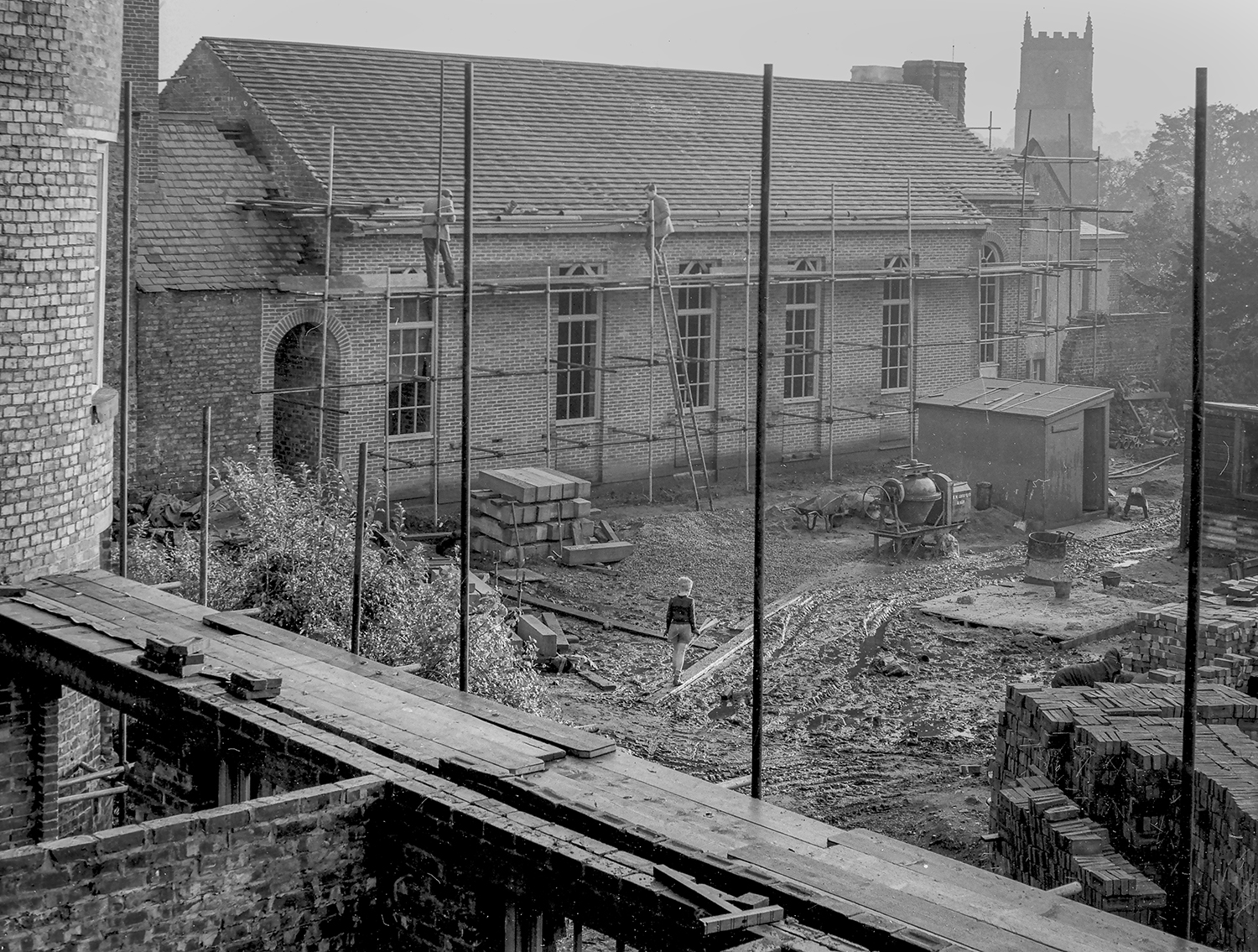
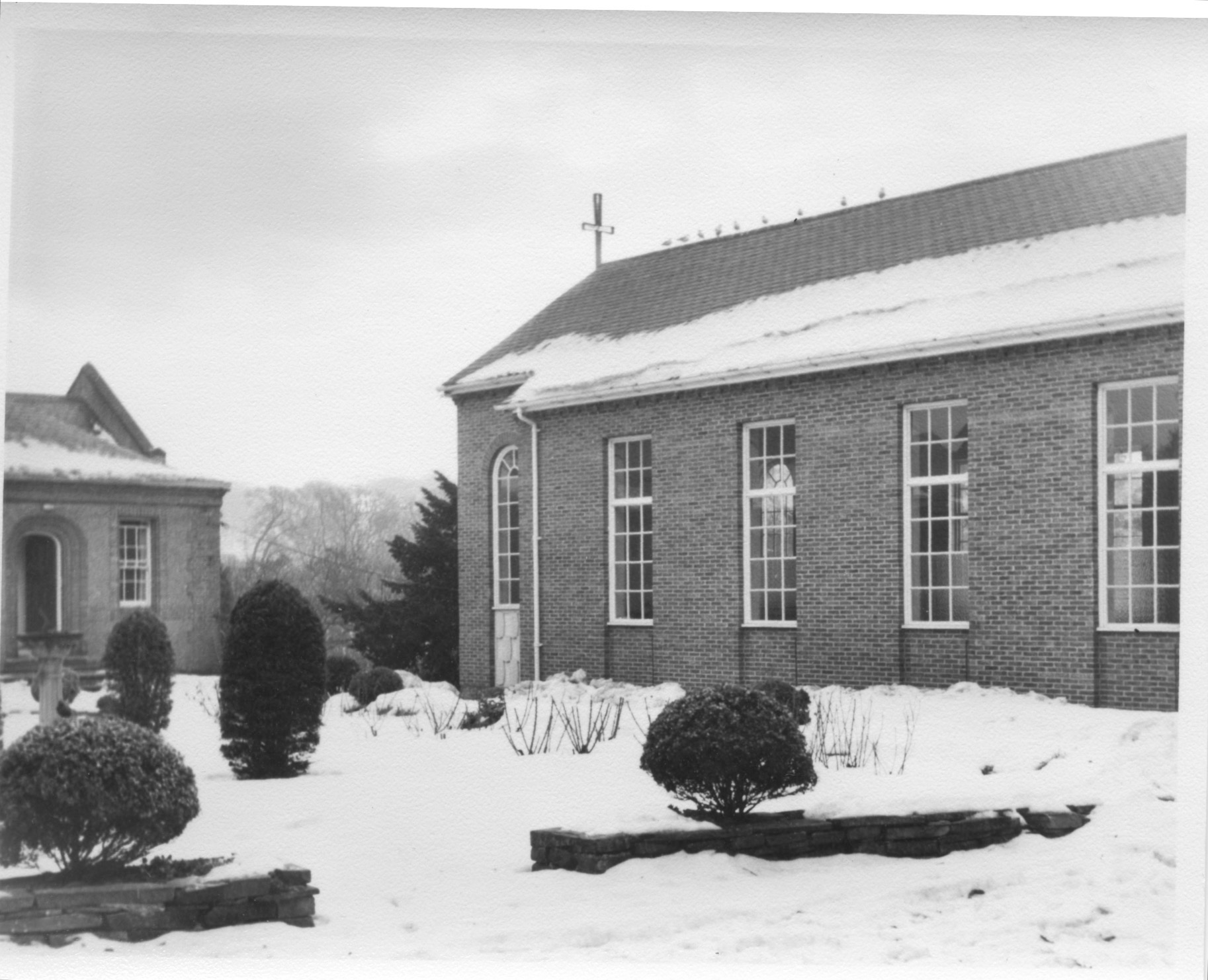
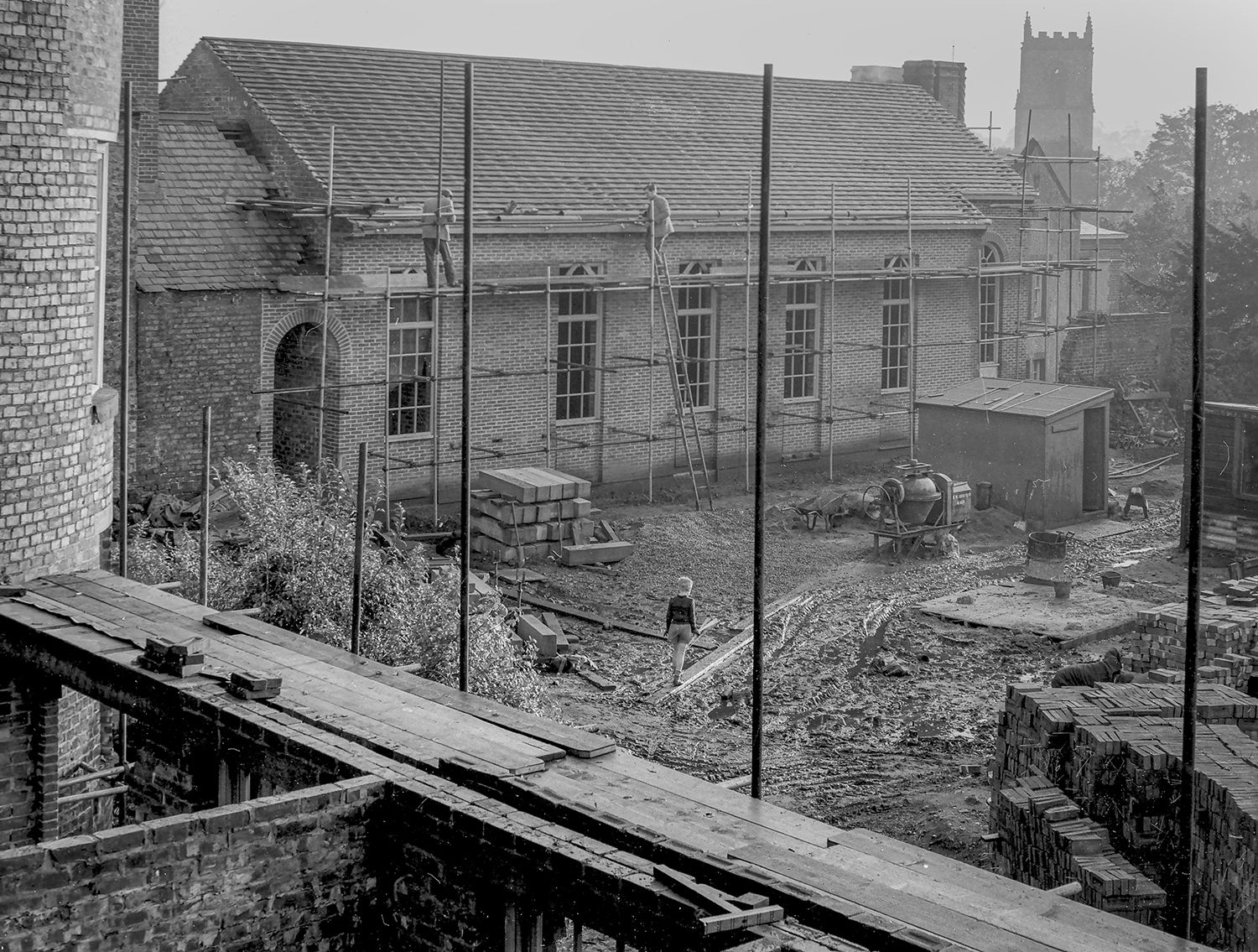
The New Chapel is built (later becoming the Old Library).
St John’s Hall admits women, becoming the first formerly all-male Durham college to become co-educational. (Women had already joined Cranmer Hall in 1966.)
1973
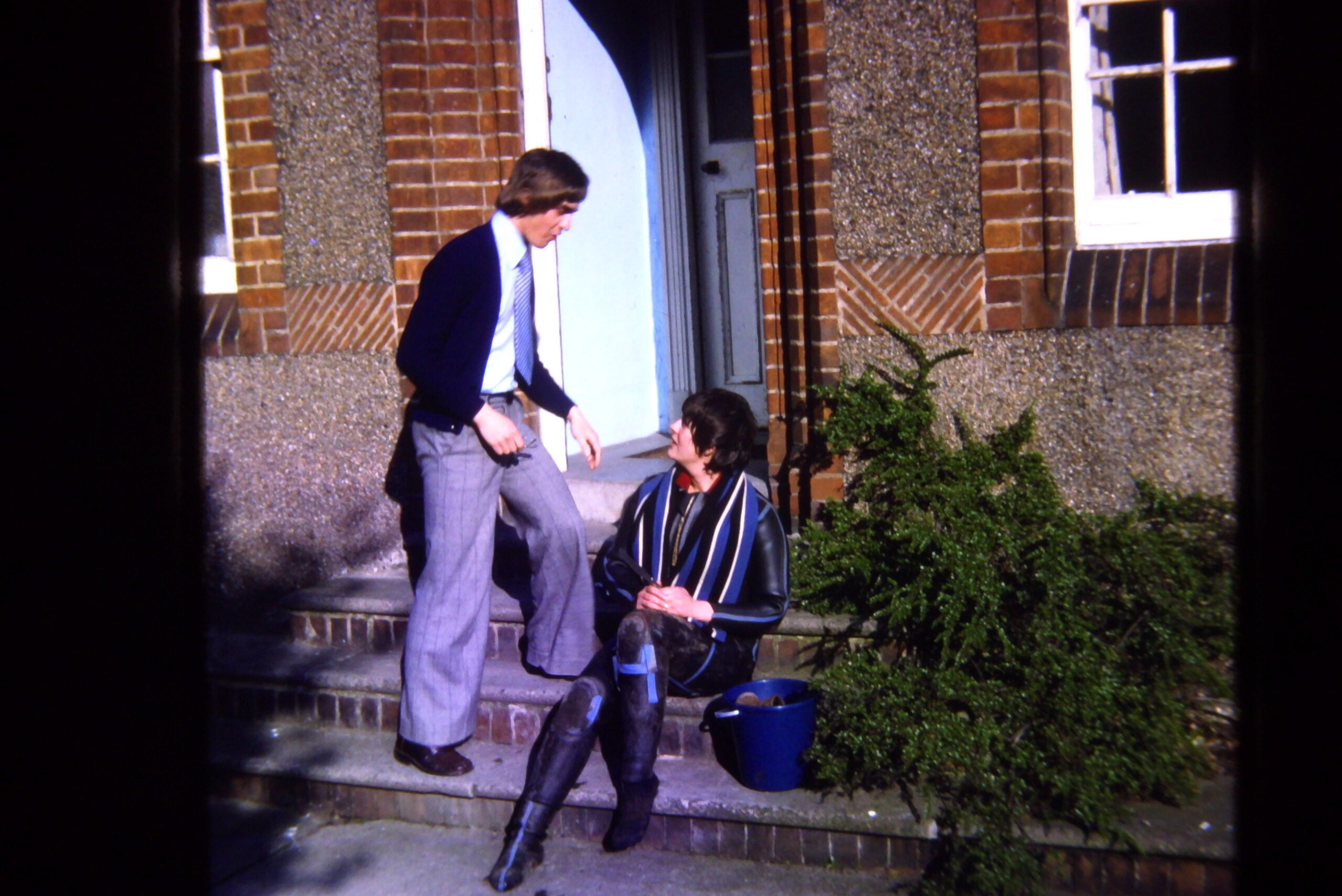
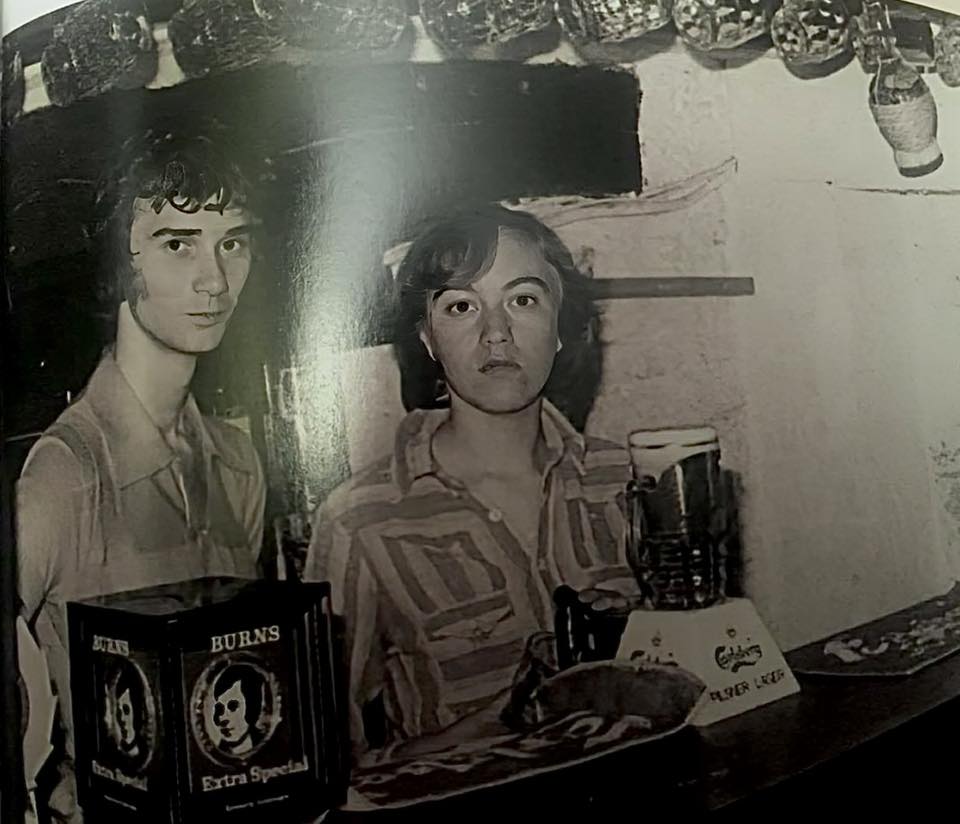
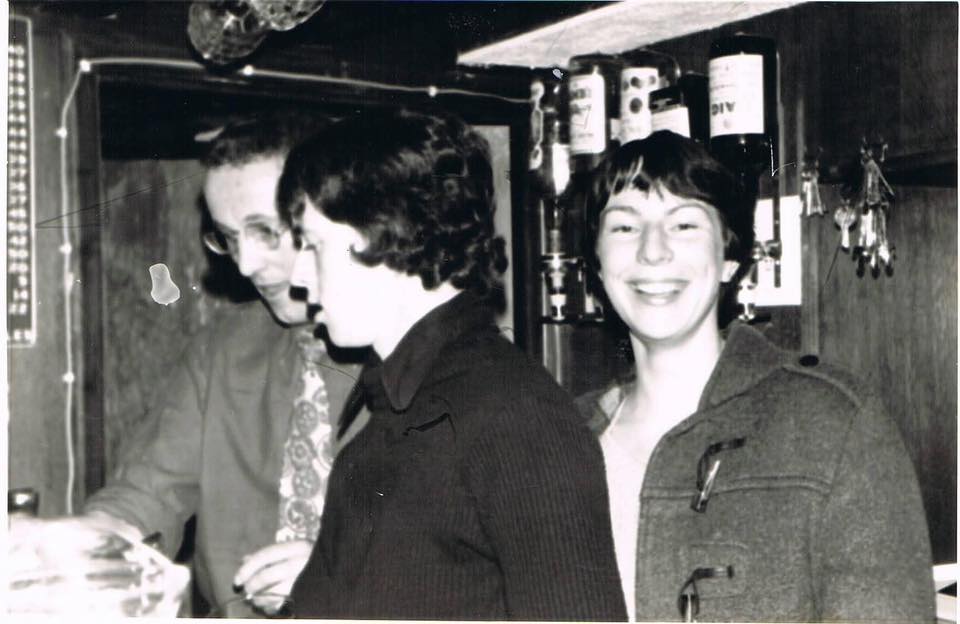
John’s Bar opens in the College cellars.
1977
1978
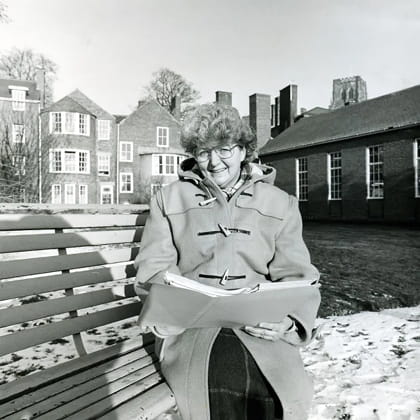
Ruth Etchells is appointed the College’s first female Principal.
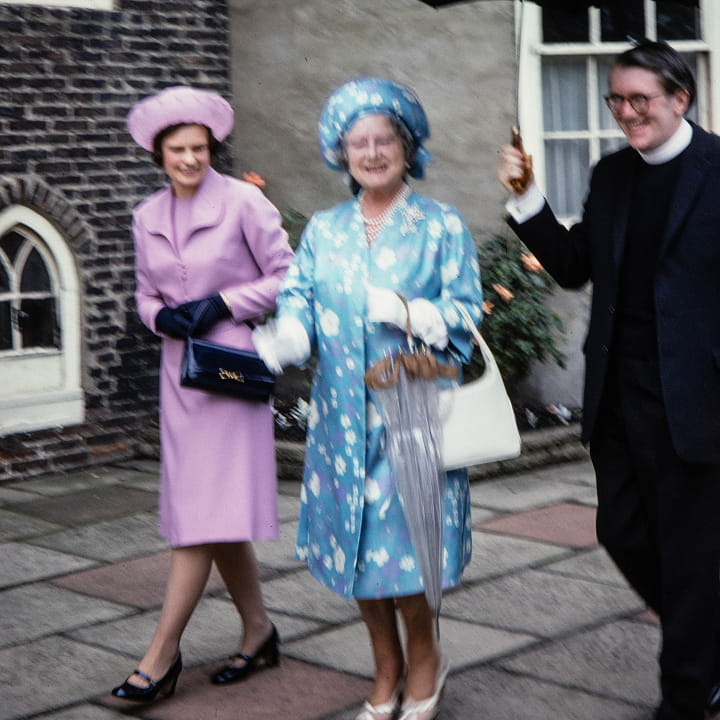
Leech Hall, funded by the Sir William Leech Charity, is officially opened by The Queen Mother.
1987
2009
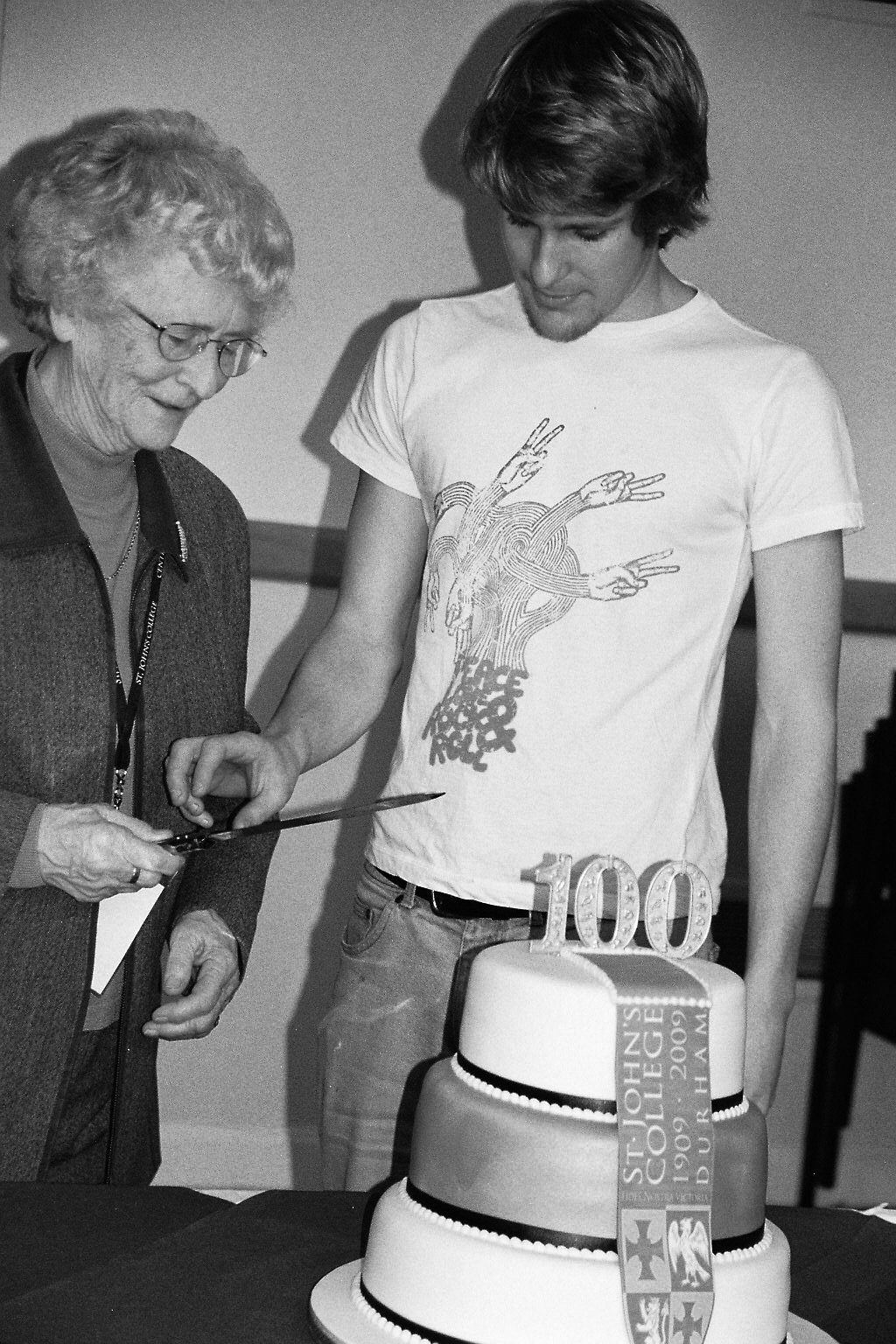
The College celebrates its centenary.
The Garth, a new student accommodation block with en-suite and accessible rooms, opens.
2012
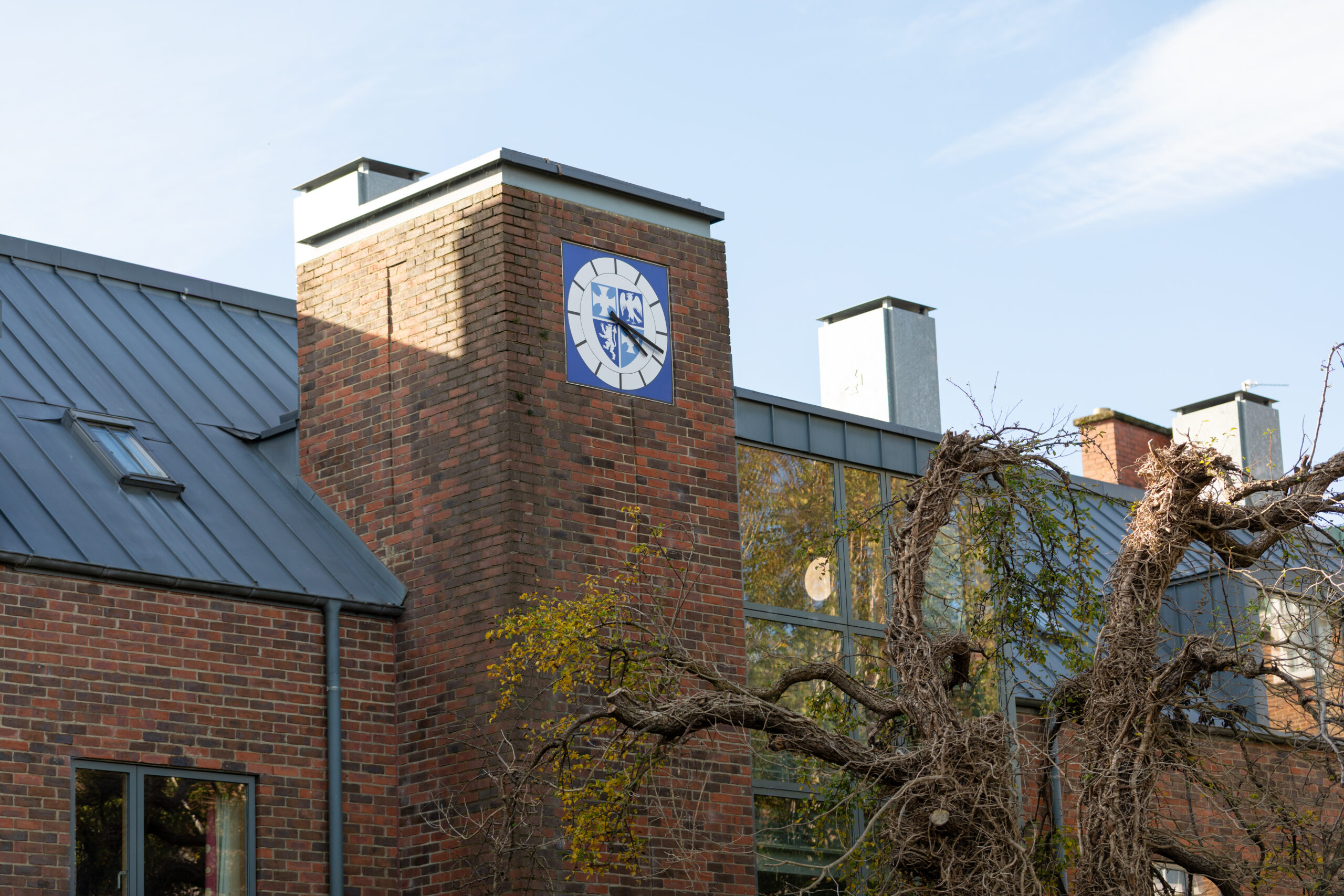
2012
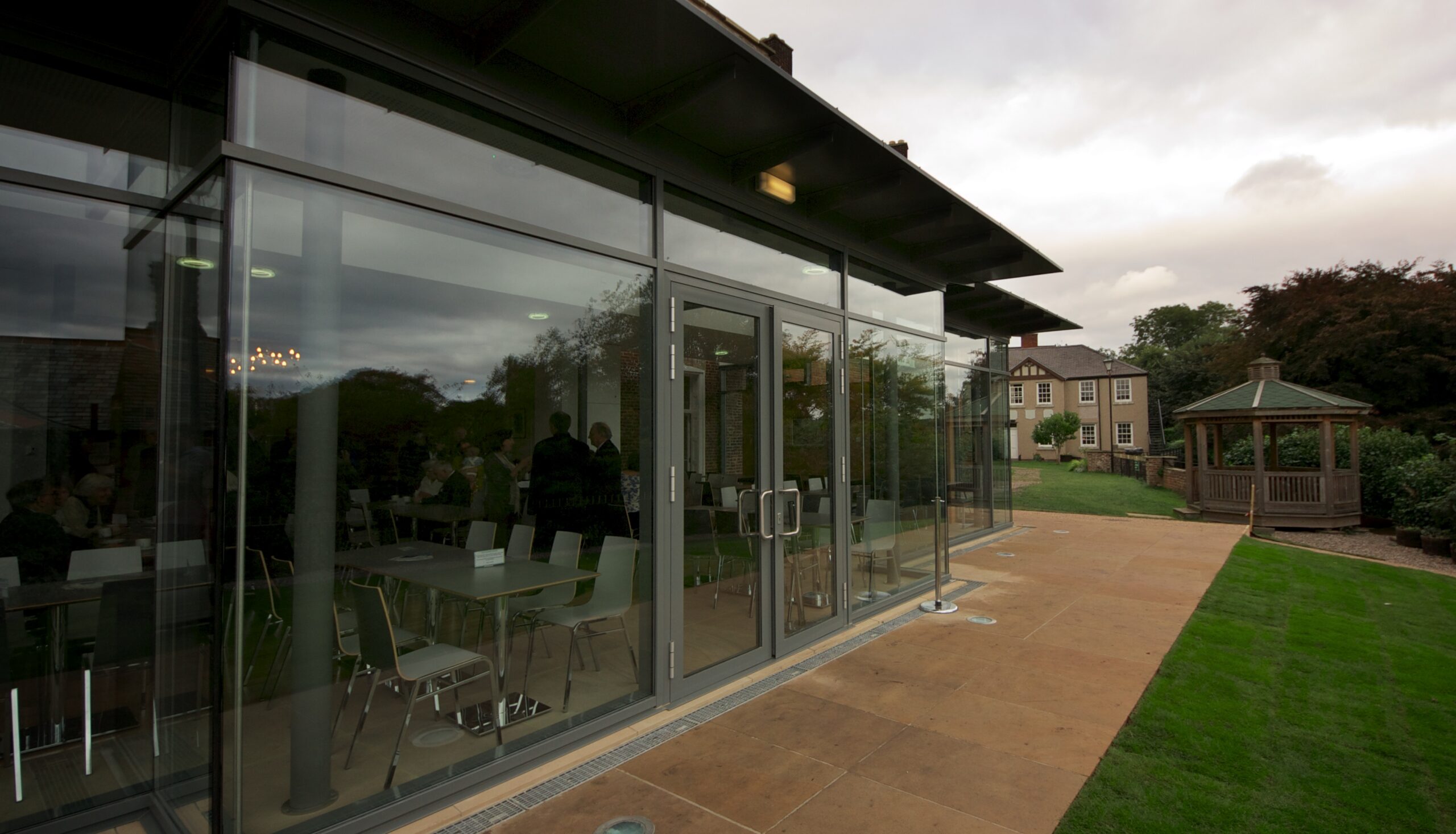
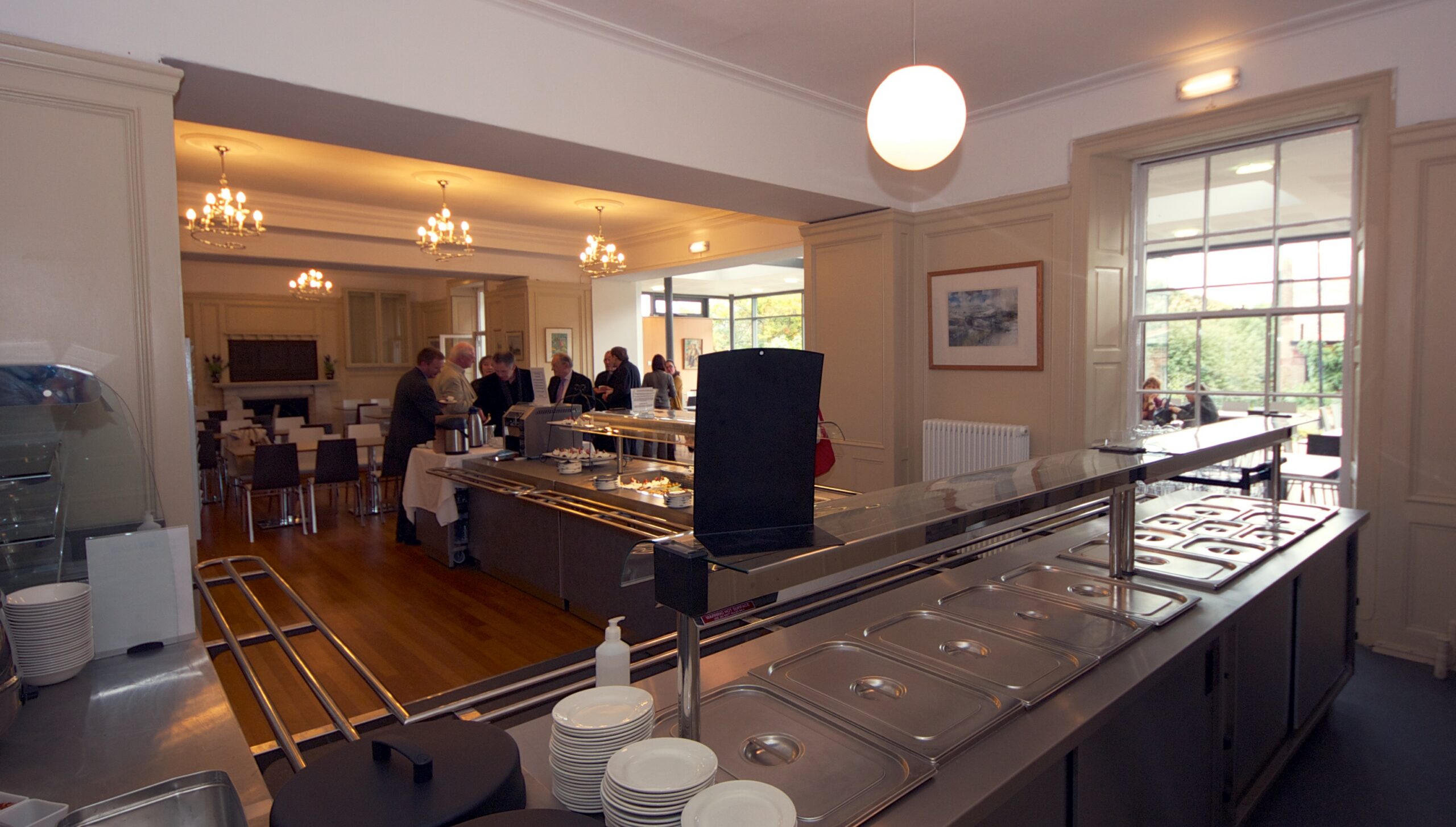
The Haughton Orangery opens, extending the dining room.
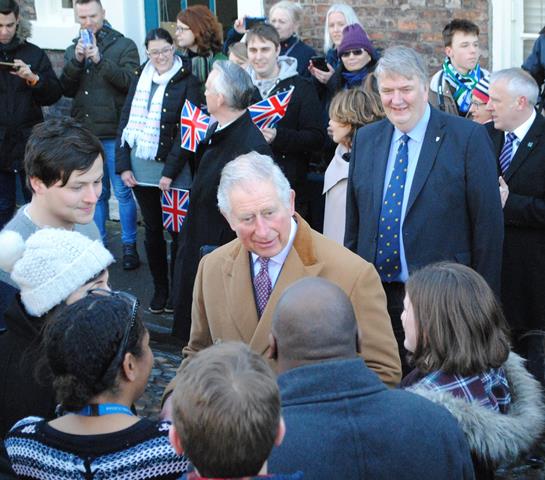
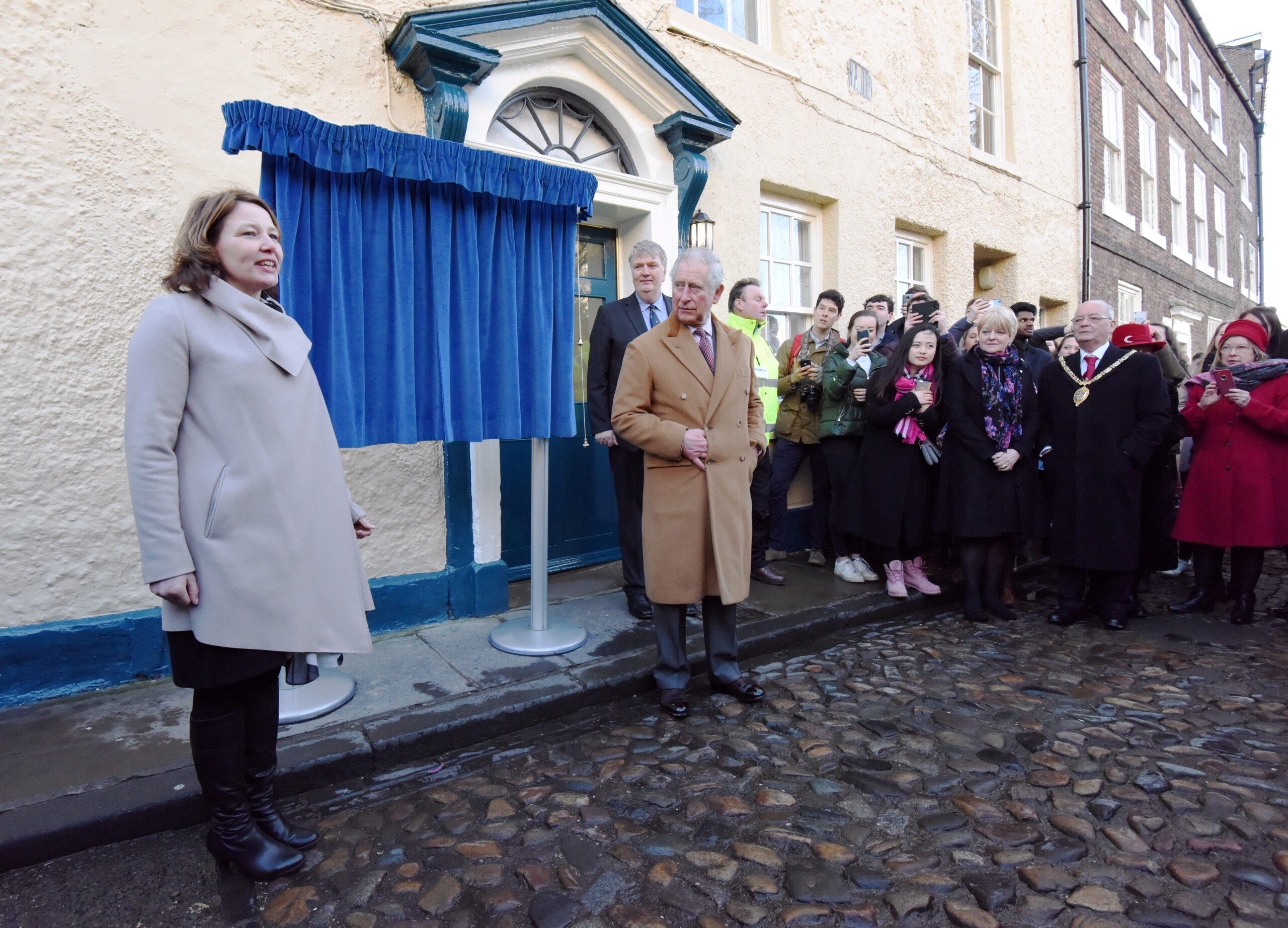
Charles III (then Prince of Wales) visits St John’s, recognising the Royal family's connection to Bowes House and the Chapel of St Mary the Less.
2018
2018
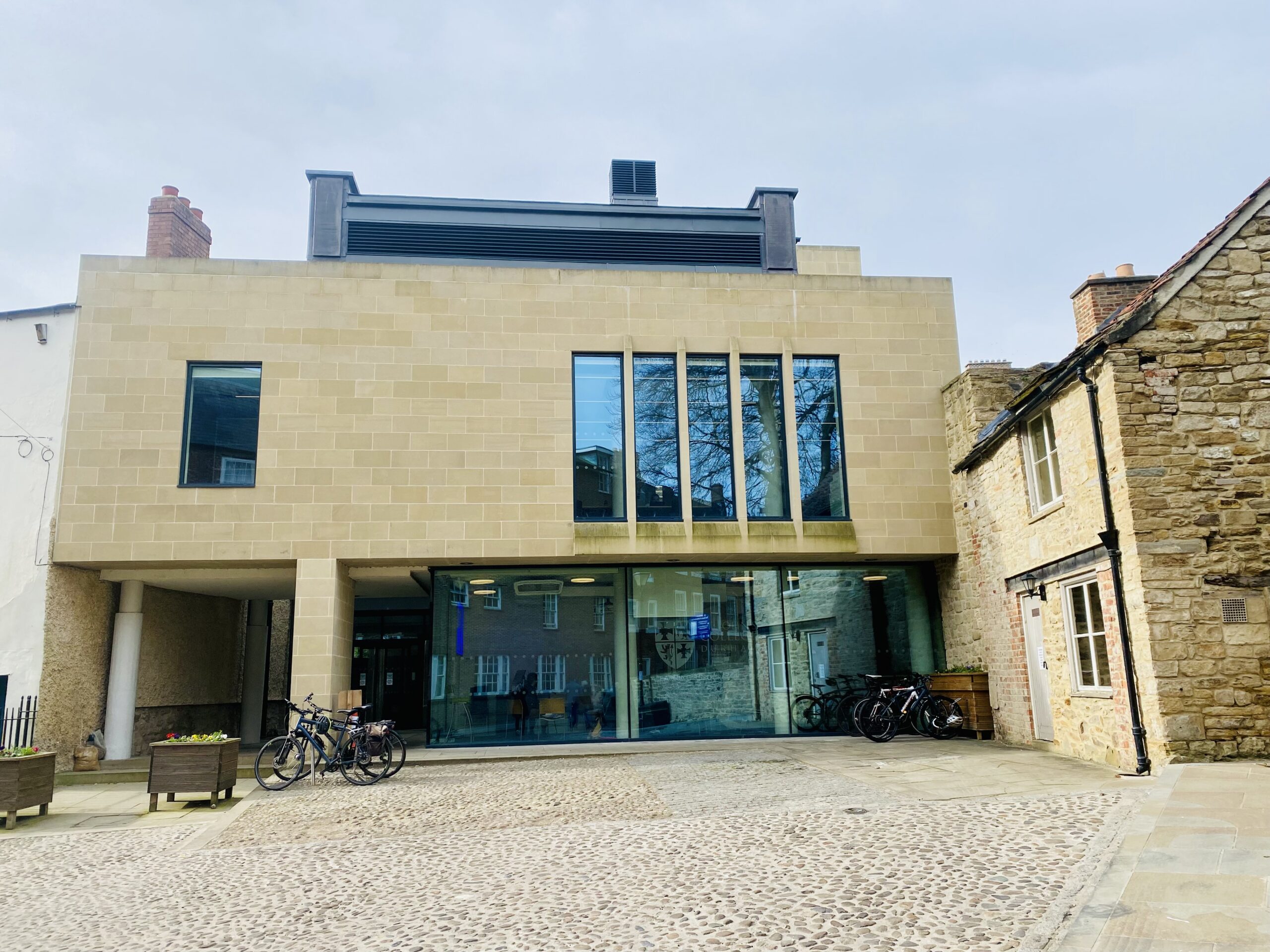
The Learning and Resource Centre and Sir William Leech Library open.
The Equipping Christian Leadership in an Age of Science (ECLAS) research programme secures a £6 million grant from the John Templeton Foundation.
2022

2025
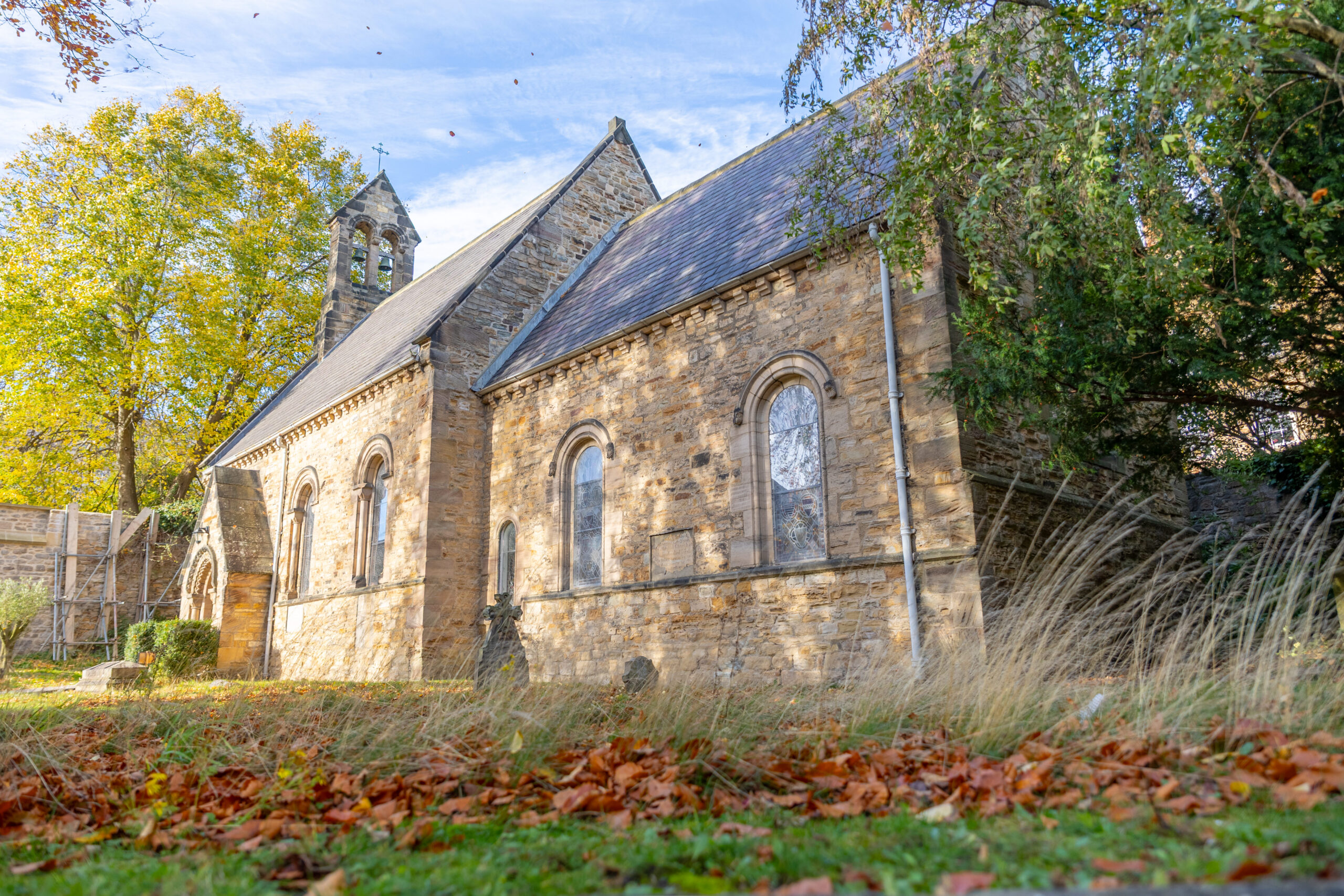
St John’s pioneers sustainability with the installation of air source heat pumps in the Chapel of St Mary the Less.
Did you know?
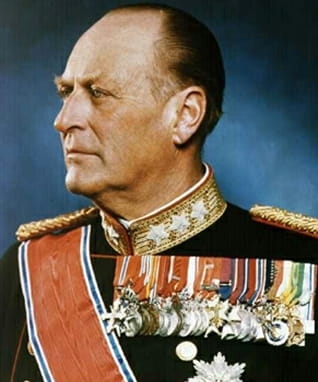
Our College mascot, Olav the Alligator, was named after King Olav V of Norway, who visited John’s in the 1960s. The original Olav was proudly paraded outside Palace Green to mark the royal occasion, and the name has stuck ever since.
A history of our leadership
Explore the Principals and Wardens who have led St John’s College and Cranmer Hall through the years.
Principals of
St John's College
- 1909 – 1911: Sidney Nowell Rostron
- 1911 – 1919: Dawson Dawson-Walker
- 1919 – 1945: Charles Steel Wallis
- 1945 – 1953: Ronald Williams
- 1954 – 1969: Jim P. Hickinbotham
- 1970 – 1978: John C. P. Cockerton
- 1978 – 1988: Ruth Etchells
- 1988 – 1992: Anthony Thiselton
- 1992 – 1999: David V. Day
- 1999 – 2006: Stephen Sykes
- 2006 – 2023: David Wilkinson
- 2023 – present: Jolyon Mitchell
Wardens of
Cranmer Hall
- 1968 – 1970: John C.P. Cockerton
- 1971 – 1979: Tim Yeats
- 1979 – 1983: Christopher Byworth
- 1983 – 1992: Ian Cundy
- 1993 – 1996: John Pritchard
- 1996 – 2004: Steven Croft
- 2005 – 2011: Anne Dyer
- 2011 – 2016: Mark Tanner
- 2017 – 2023: Philip Plyming
- 2023 – present: Nicholas Moore
Snapshots through the years
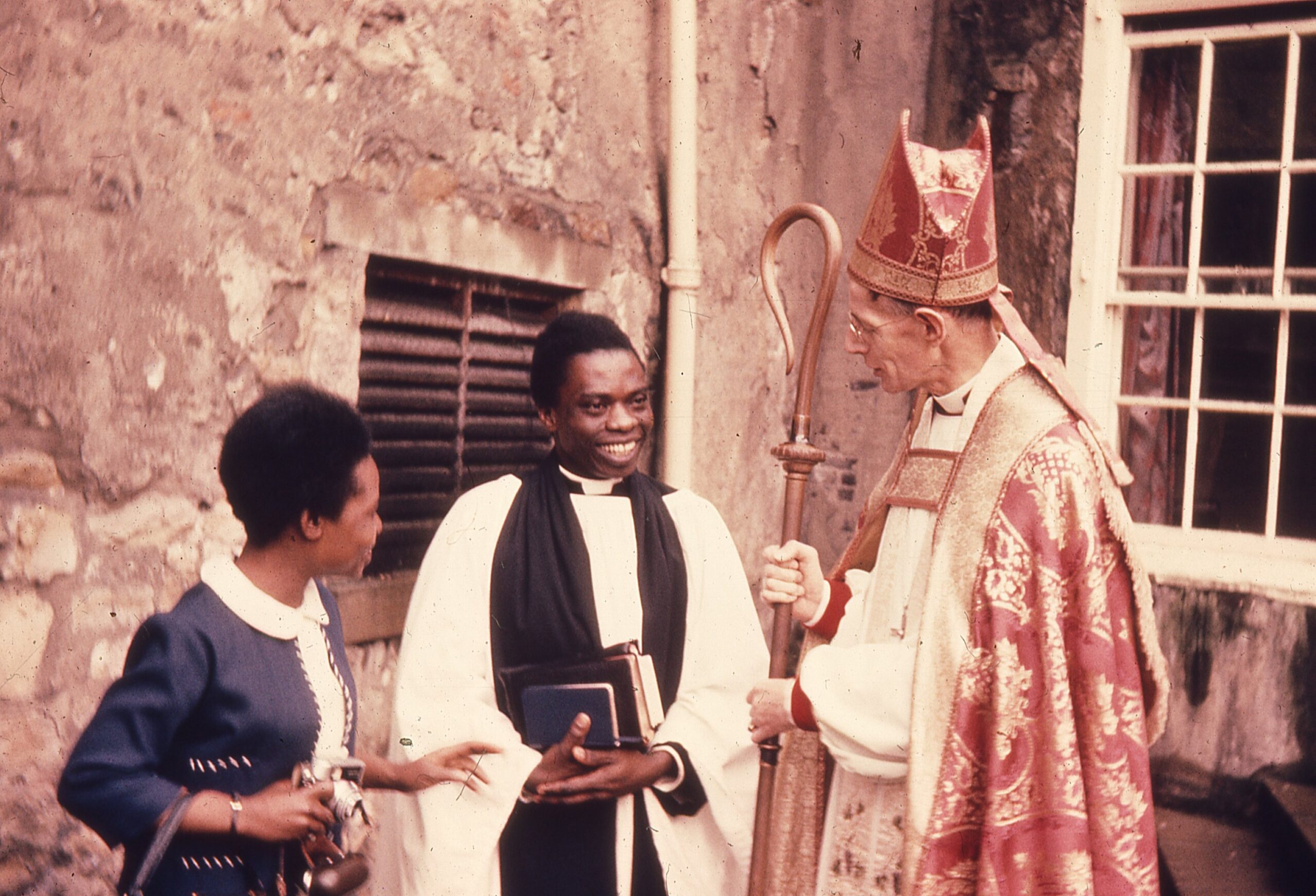
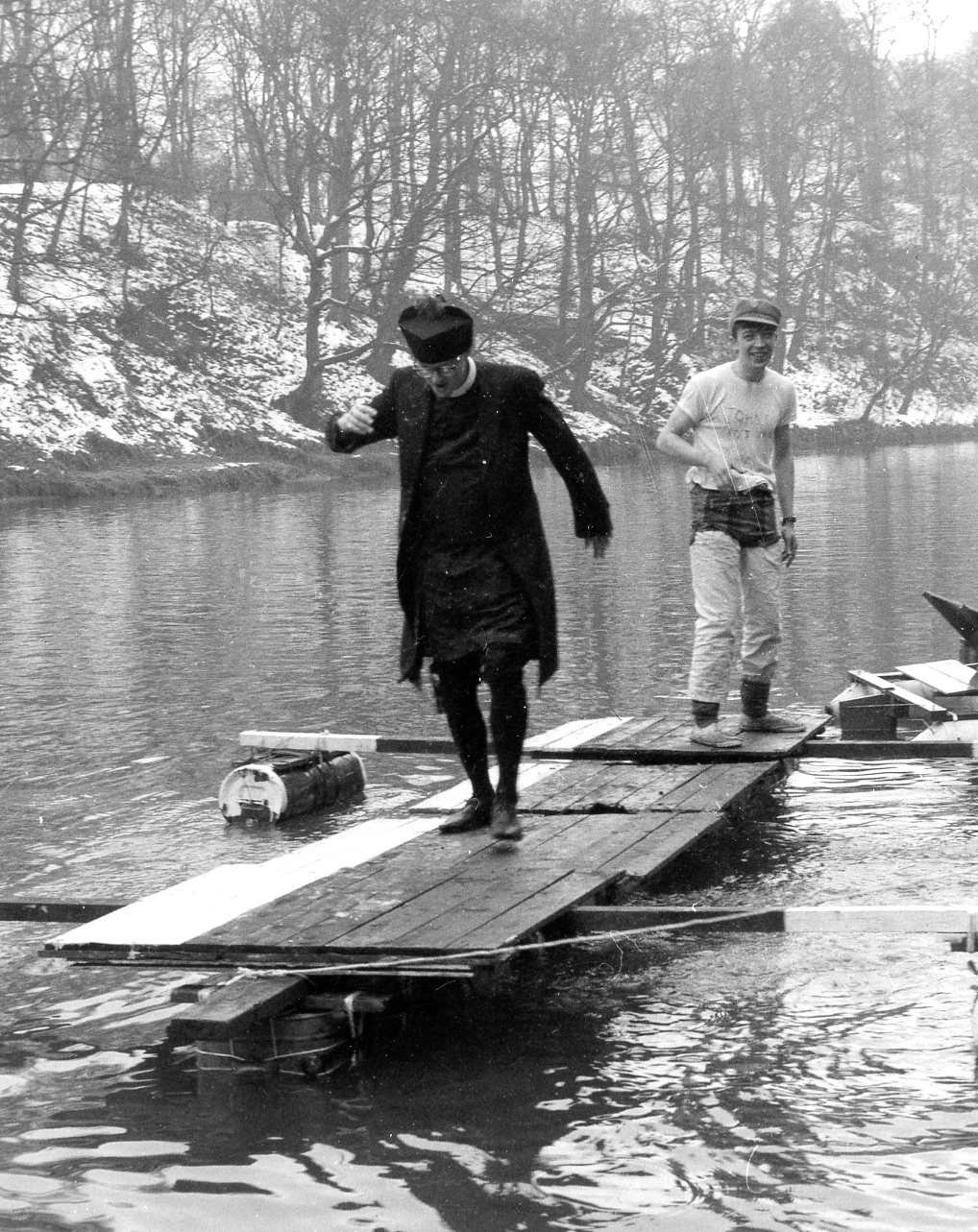
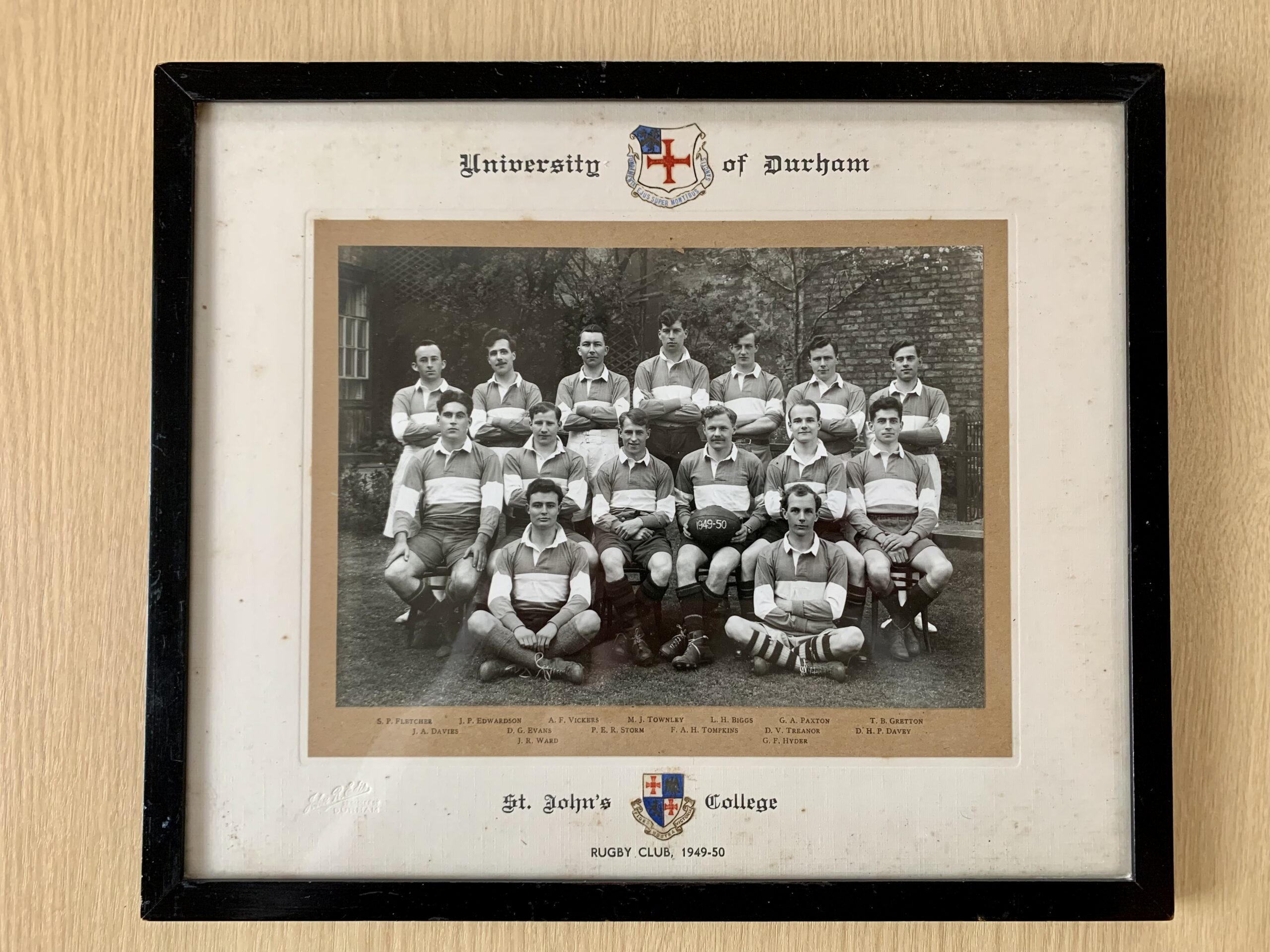
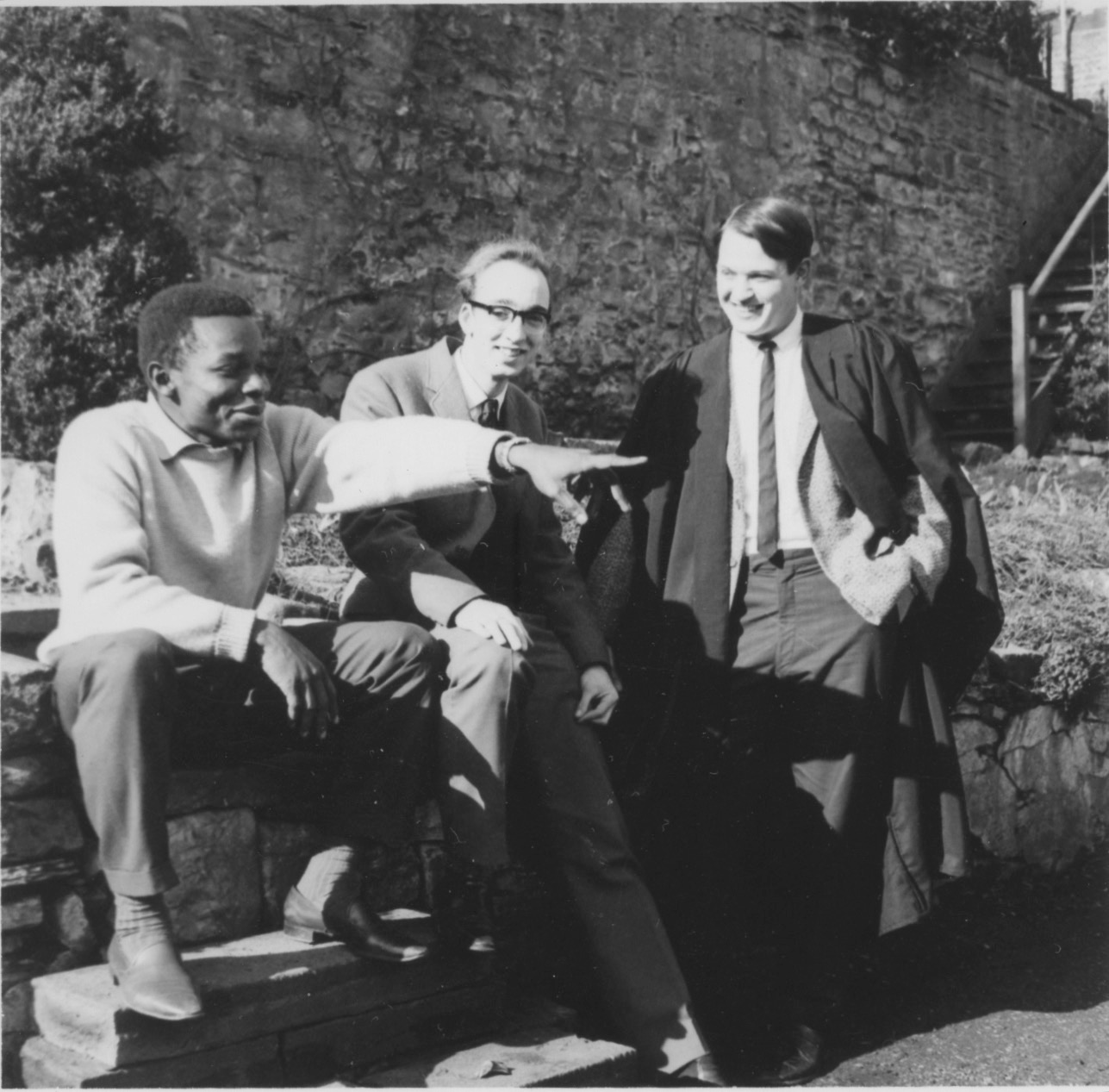
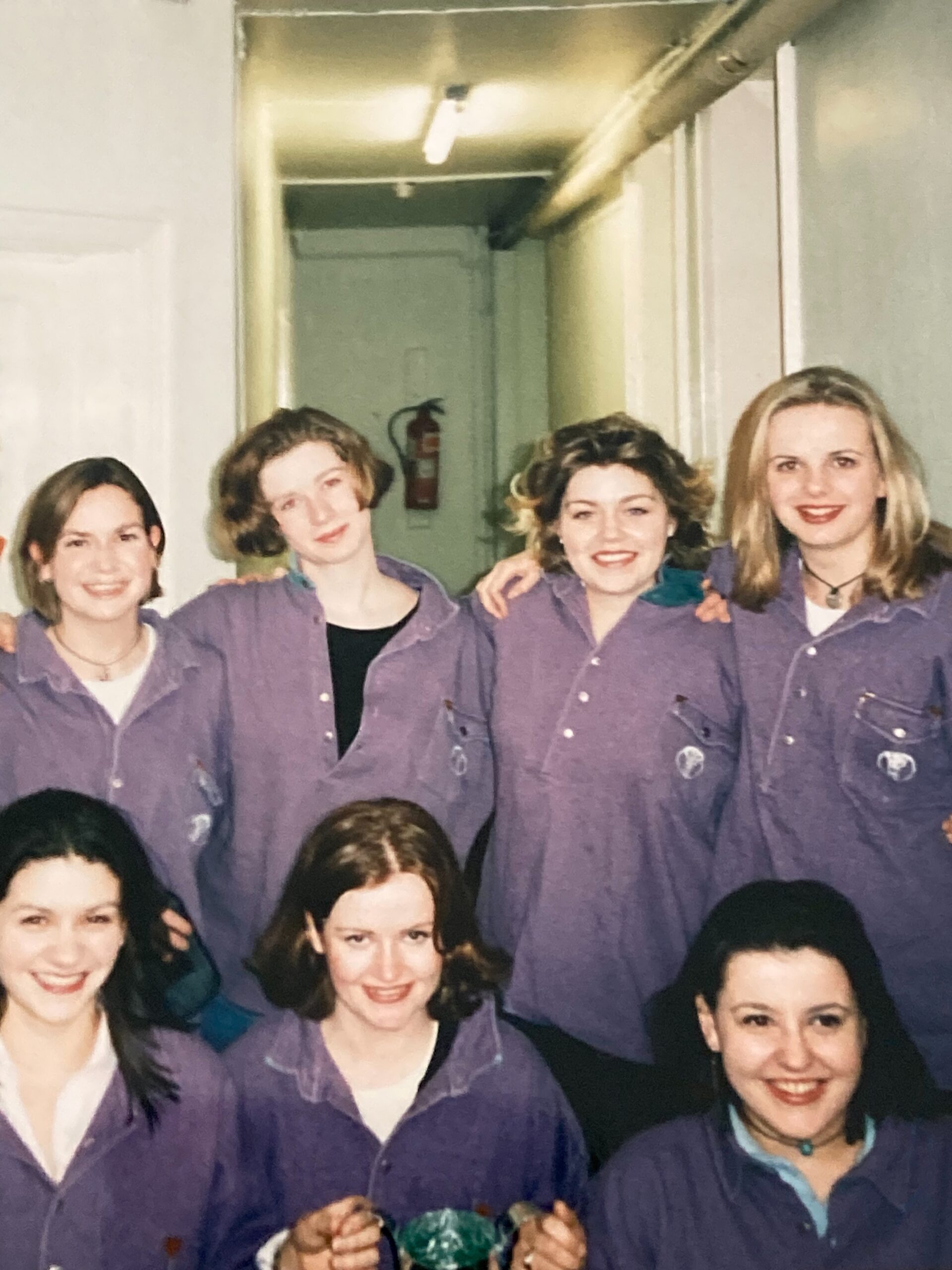
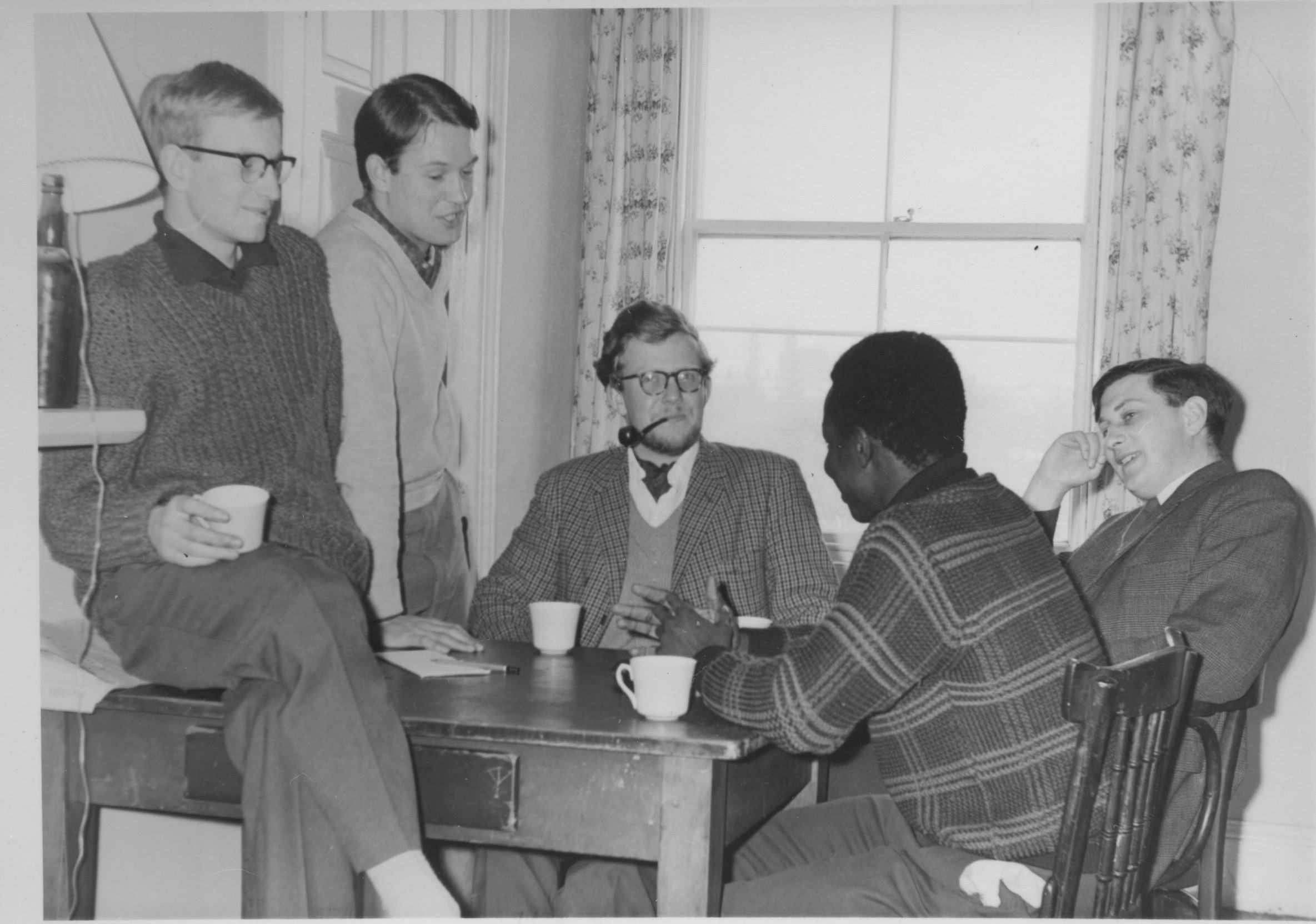
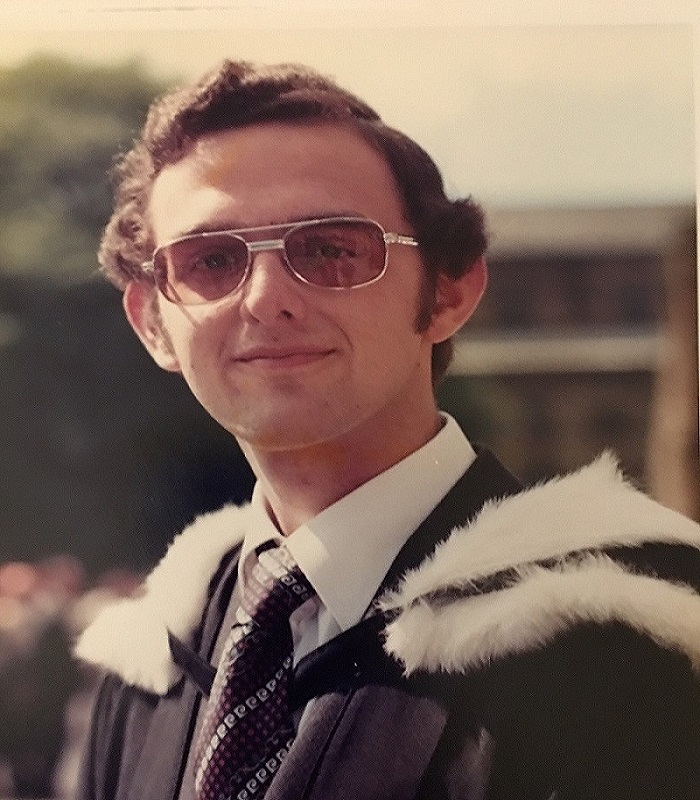
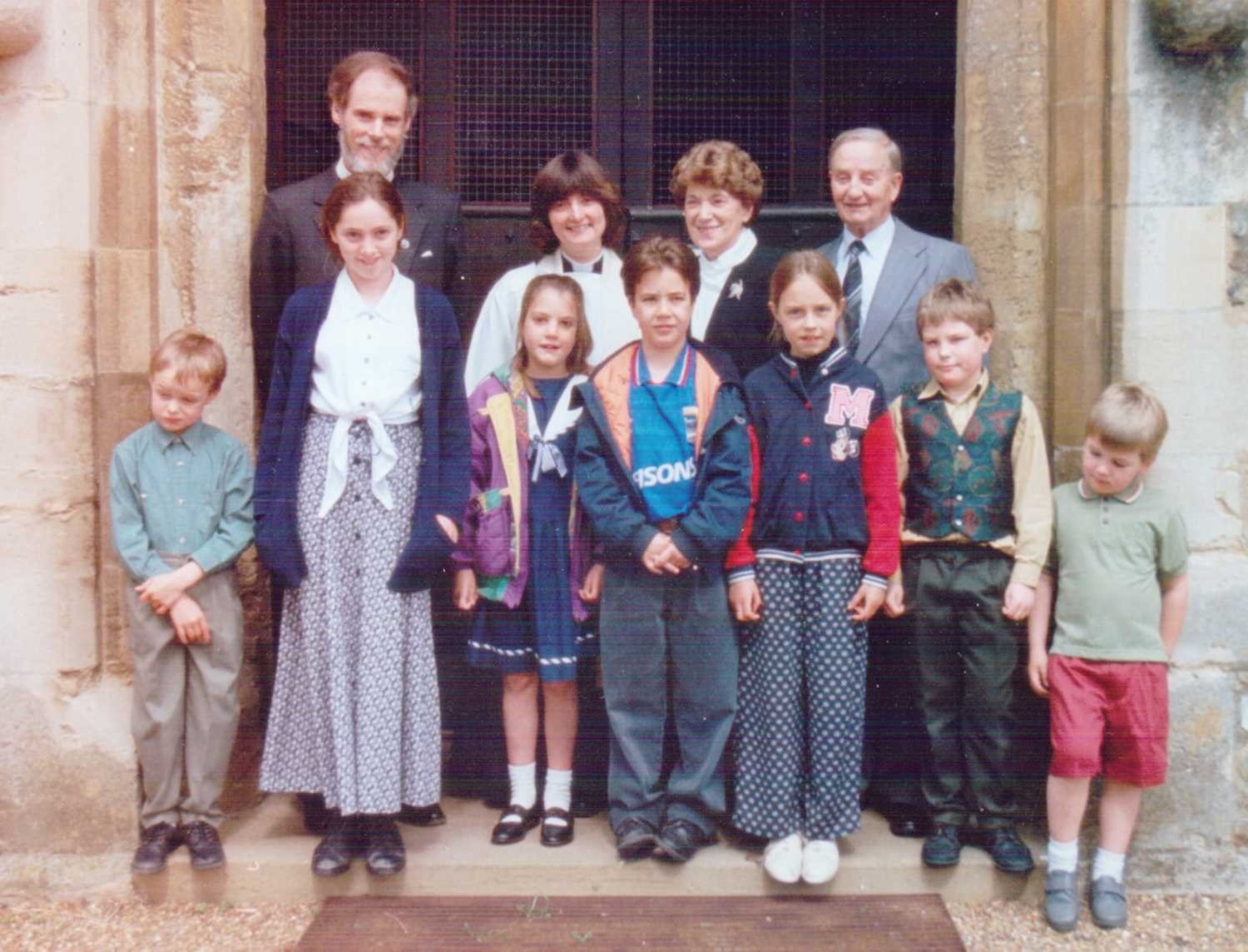
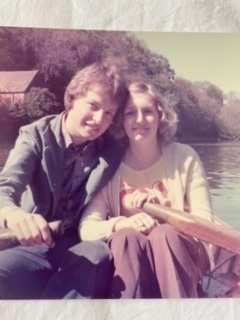
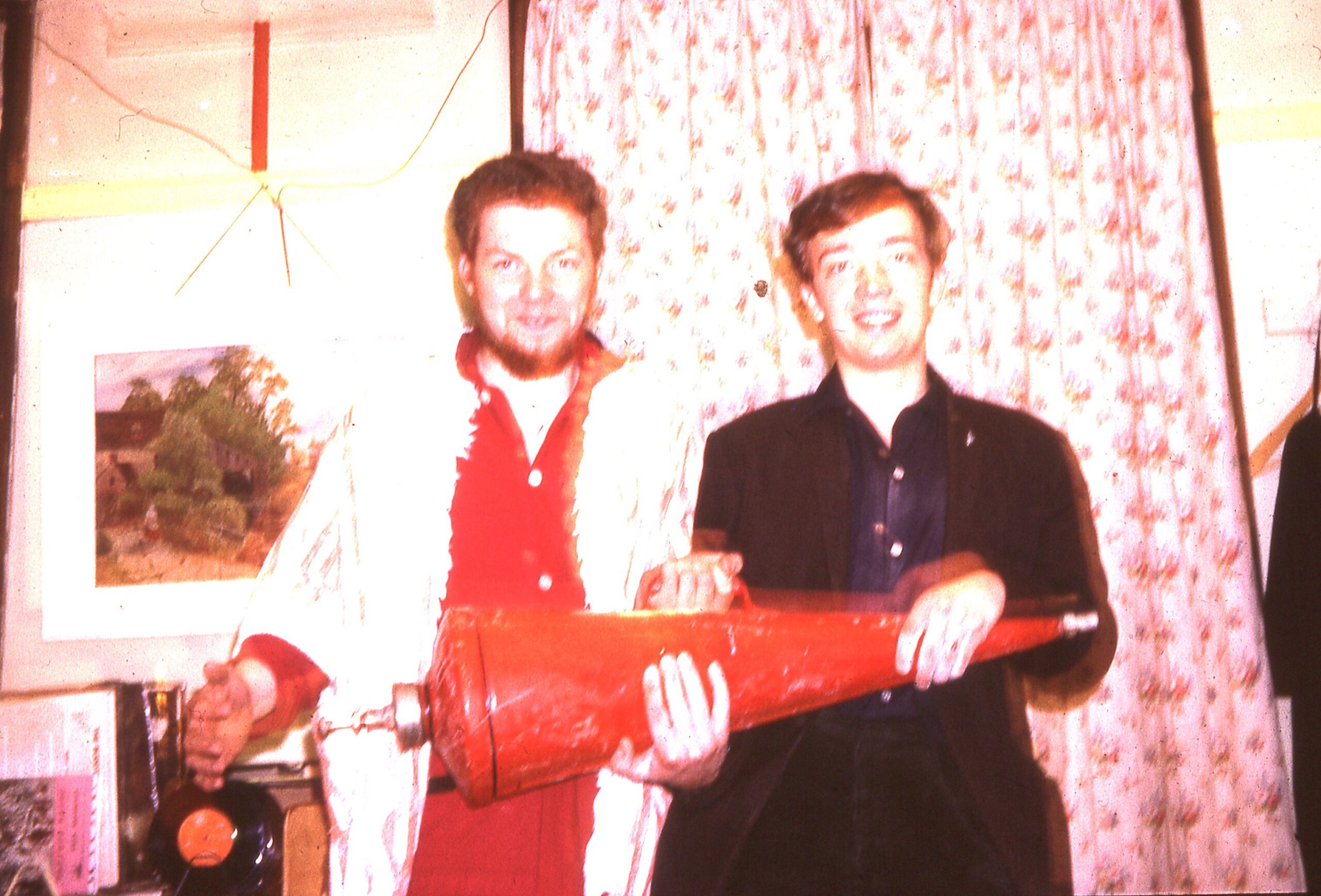
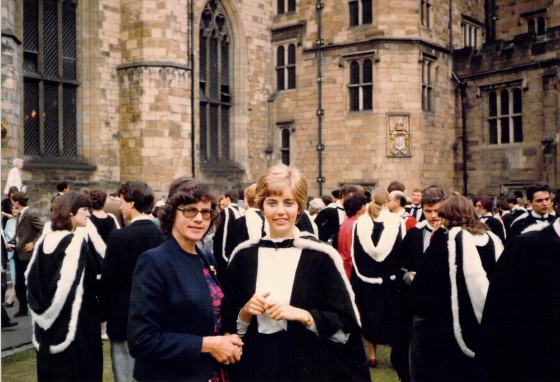
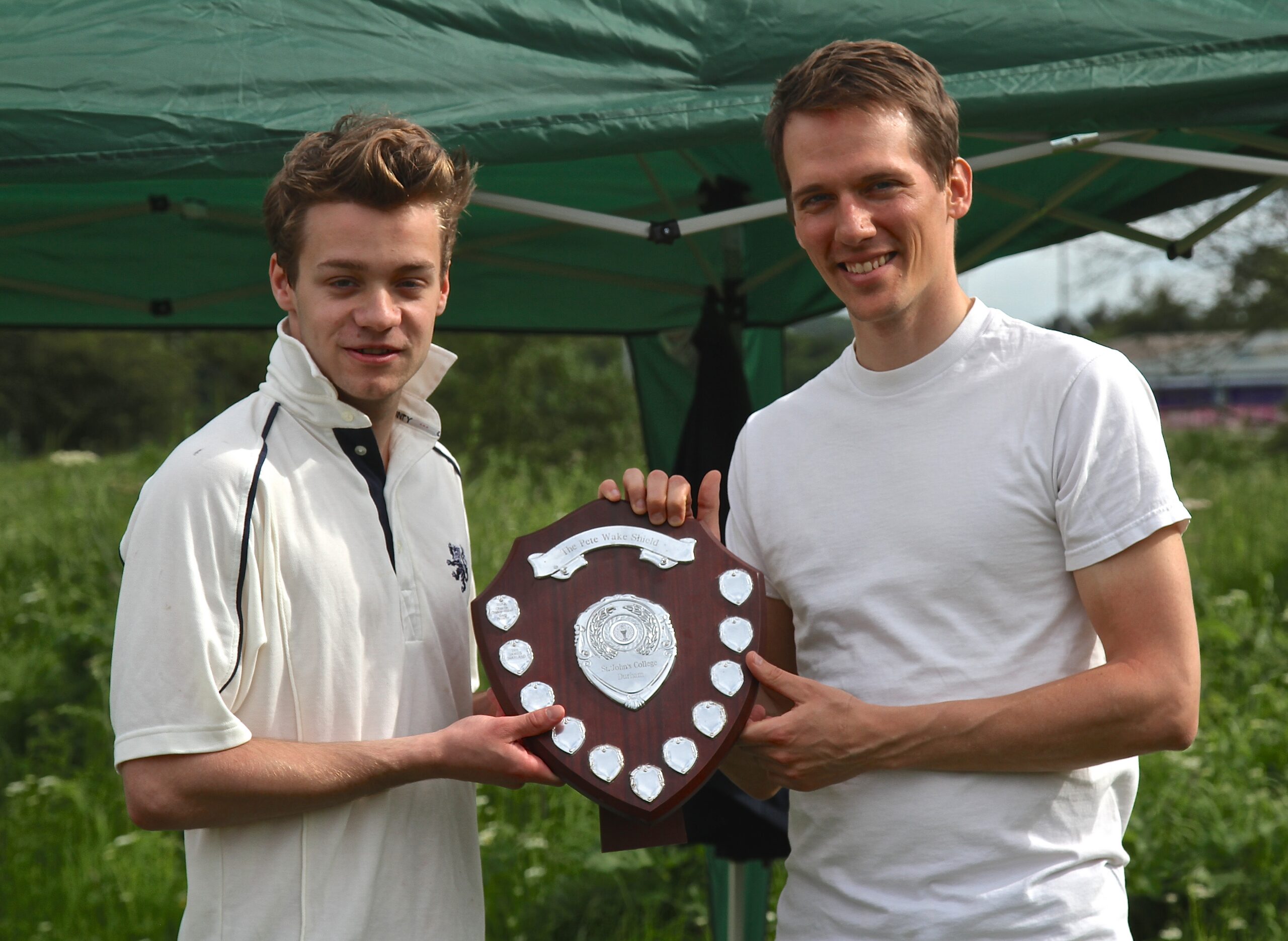
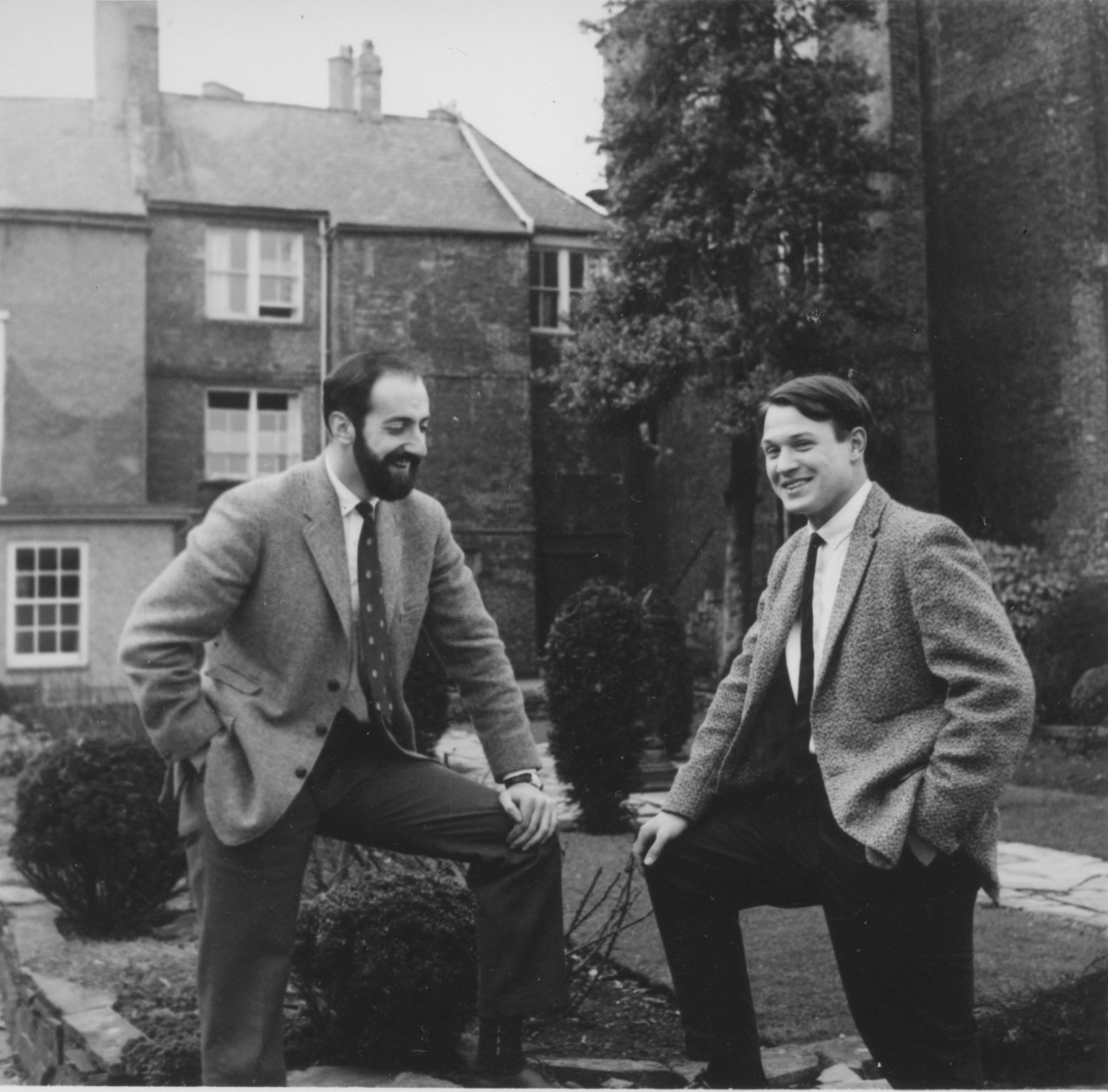
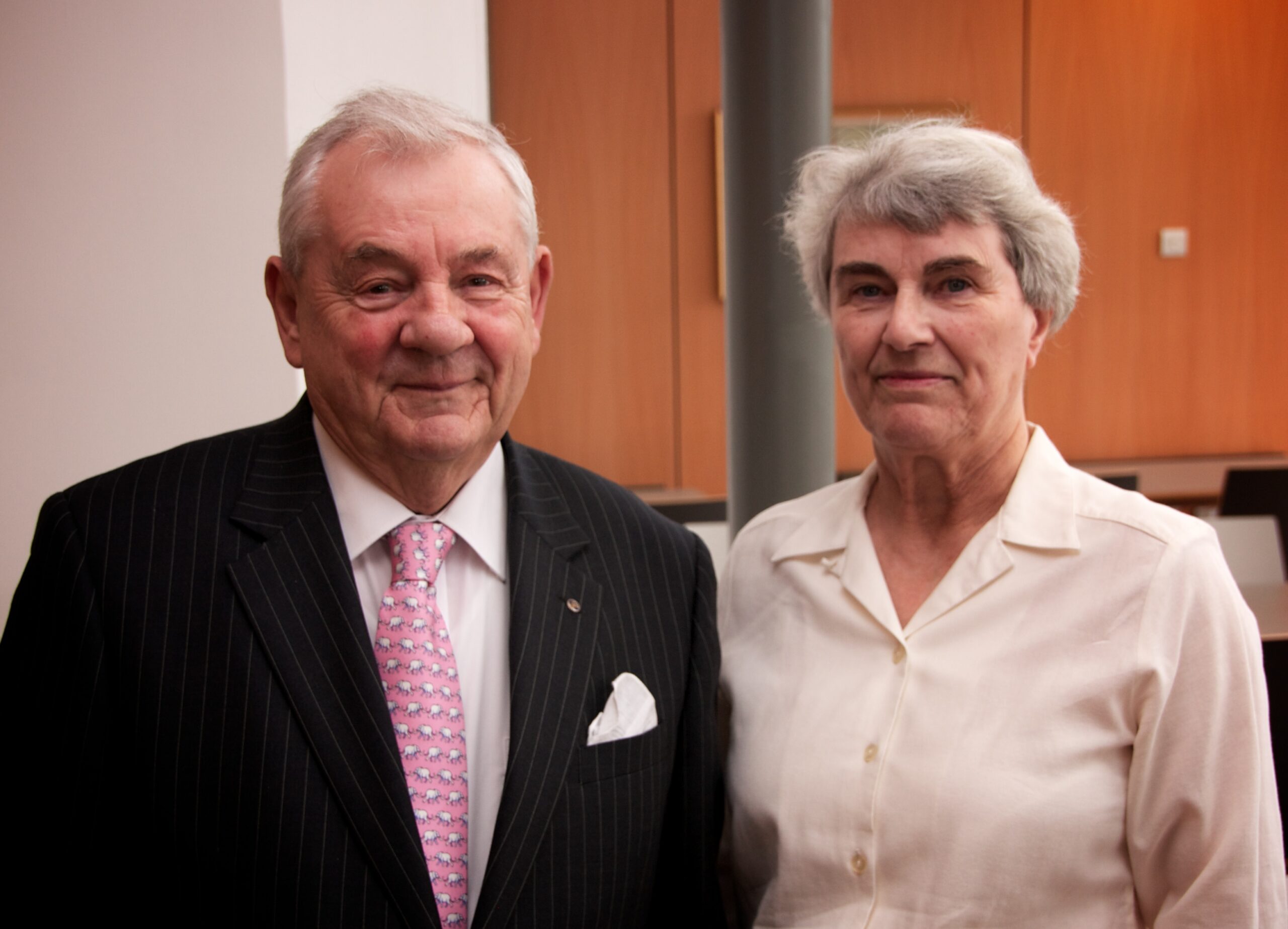
St John’s has more than a century of stories. Explore moments from College life across the decades.
In the John’s Chronicle

8 January 2025
A Time of Change: John’s in the 1970s with Ian Bunting
Imogen Taylor, the Head of Alumni Relations, had the pleasure of sitting down to talk with Ian Bunting, who was Director of Pastoral Studies for Cranmer Hall between 1971 and 1978. They reflect on this ‘transitional’ time in Ian’s life at Durham and the relationship between Cranmer Hall and the rest of St John’s College.
11 May 2023
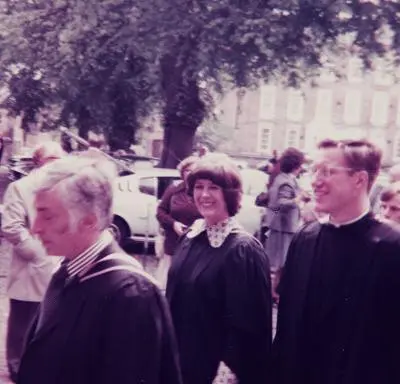
50 Years of Women: Zillah Martin
Zillah Martin (née Warren) studied at St John’s College, attending John’s Hall from 1973-76 and Cranmer Hall from 1976-77. Here she reflects on her time at Durham and her life since. Graduating in 1976 having read Theology, I was fortunate to study for an MA in Systematic Theology under the supervision of Professor Stephen Sykes, […]
12 February 2022
A footnote in the history of Fair trade
John’s in those days was in transition. The 1960s were hammering on the door of an institution which, though less than 60 years old, had positioned itself where the Victorian met the medieval.